
Thracian
 3
9.6

- adjective
- /ˈθreɪʃən/
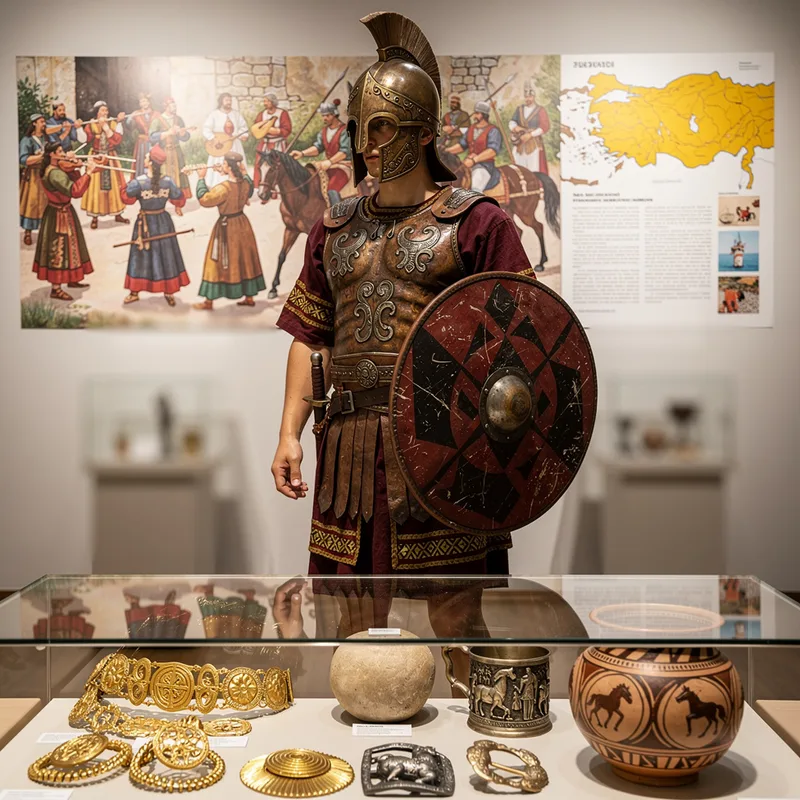
- According to Greek and Roman sources, horses played a vital role in Thracian society; a man was not a man without this essential companion for hunting and war.
- Thracian chariot
Examples
-
Dozens of other such sites have been looted, leaving archaeologists with an incomplete picture of this key aspect of Thracian culture.
Academic text (2007) -
And so began the legend of young Orpheus, the Thracian Prince.
-
And so he moves forces to the Thracian coast, taking various cities there and gaining more and more territory towards that end.
-
The blood of Thracian grapes, the wine of love.
-
That gave the local Thracian aristocracy the possibility to save its financial power.
Academic text (2007) -
Mounts were essential and revered in Thracian culture.
Academic text (2007) -
PHOTO (COLOR): Thracian chariots were buried with up to eight horses, often decorated with elaborate bridles.
Academic text (2007) -
On the left flank, Thracian and Thessalian cavalry, commanded by Parmanian.
-
They had gone to plead Abdera's case in a territorial dispute which they were having with the Thracian king Cotys.
Blog text (2) -
The ancient theatre in the town exhibits typical Thracian architecture, reflecting the cultural heritage of the region.
Compounds
- Specialized
An extinct language once spoken by the ancient Thracian people in Southeast Europe until the early Middle Ages
Surface Forms
Morphology
Etymology
Thracian comes from the place name Thrace, from the Greek Thrákē, the name for that land and its people. So Thracian means 'of or from Thrace', and is used for things connected to that region or its culture.