
Sinapis
- noun
- /sɪˈneɪpɪs/
- Specialized
- Botanists often debate whether Sinapis should be a separate genus or part of Brassica.
Examples
-
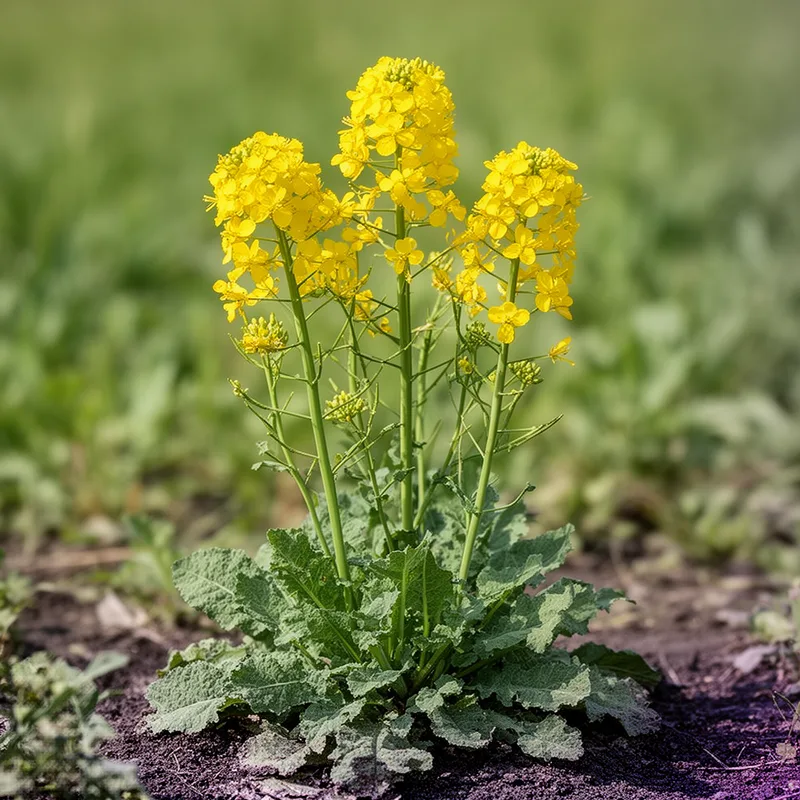
The plants classified in the genus Sinapis are commonly known as wild mustards.
-
Some species of Sinapis are cultivated for their seeds and leaves.
-
The Sinapis plant is known for its culinary uses.
-
Many chefs prefer using Sinapis for its unique flavor.
-
Many chefs prefer using Sinapis for its unique flavor in dishes like salads.
-
Some species of Sinapis are cultivated for their seeds and leaves in agricultural settings.
-
Botanists often debate whether Sinapis should be included in the Brassica genus or classified separately.
Synonyms

A small group of flowering plants including white mustard
Compounds


- Specialized
A common wild plant with yellow flowers that grows in grain fields and harms crops
Surface Forms
Etymology
Sinapis comes from the old Greek word sinapis, which meant 'mustard'. That's why the name is used for small herbs in the mustard family, a helpful way to remember they are like wild mustards.

