

Senecio
- noun
- /səˈniːsi.oʊ/
- Specialized
- Many Senecios can be found in gardens across Europe.
- blue Senecio
Examples
-
Ragwort, a common weed, belongs to the Senecio genus.
-
Researchers discovered a new Senecio species in the Andes mountains.
-
Several species in the Senecio genus are grown as ornamental plants in gardens.
-
The Senecio plant thrives in sunny locations.
-
In my garden, I have planted various colors of Senecio to create a vibrant display of flowers.
-
The Senecio species known for its striking blue leaves is perfect for adding color to any landscape.
-
Many gardeners appreciate Senecio for its ability to thrive in different climates and soil types.
Compounds
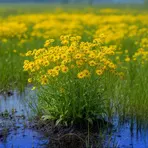
- Specialized
A plant with bright yellow flowers that grows in wet meadows and can spread quickly
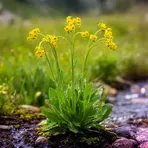
- Specialized
A wild plant with upright leafy stems and curved stalks holding clusters of yellow flowers in moist southwestern United States
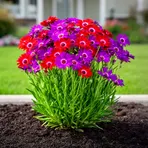
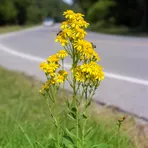
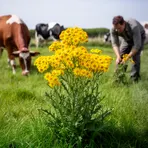
- Specialized
A common European plant with bright yellow daisy-like flowers called ragwort that is poisonous to cattle
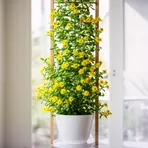
- Specialized
A South African climbing plant with thick leaves and yellow flowers often kept indoors
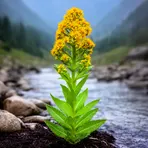
- Specialized
A tall wildflower with triangular toothed leaves and clusters of yellow flowers that grows in wet mountain areas

Surface Forms
Etymology
The word Senecio comes from the Latin word senex, meaning 'old man'. Many plants in this group have white, fluffy seed heads that look like an old man's beard, so the name refers to their appearance.

