

Sekhet
- proper noun
- Literature
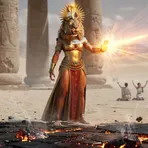
- The temple honors Sekhet, the fierce lioness goddess of the sun.
Examples
-
In ancient Egyptian mythology, Sekhet was depicted as a lioness, symbolizing the fierce power of the sun.
-
In ancient Egyptian mythology, Sekhet was associated with both healing and destruction.
-
Priests prayed to Sekhet for protection from plagues and misfortune.
-
The temple was dedicated to Sekhet.
-
In ancient Egypt, Sekhet was worshipped for her strength.
-
The temple dedicated to Sekhet showcases her significance as a goddess of destruction in ancient Egypt.
-
Worshippers sought the favor of Sekhet, believing she could protect them from the harsh effects of the sun.
Synonyms
 1
9.9
1
9.9

Egyptian goddess with a lion's head who represents the sun's power to destroy

A powerful sun goddess in ancient Egypt who appears as a lioness and protects or destroys

A god or goddess worshipped in ancient Egypt
Surface Forms
Etymology
The name Sekhet is linked to an old Egyptian word meaning 'power', and it is like the better-known goddess Sekhmet, whose name comes from sekhem 'power'. Think of a fierce lioness full of the sun's heat — that image explains why Sekhet is a sun goddess of both healing and destruction.