
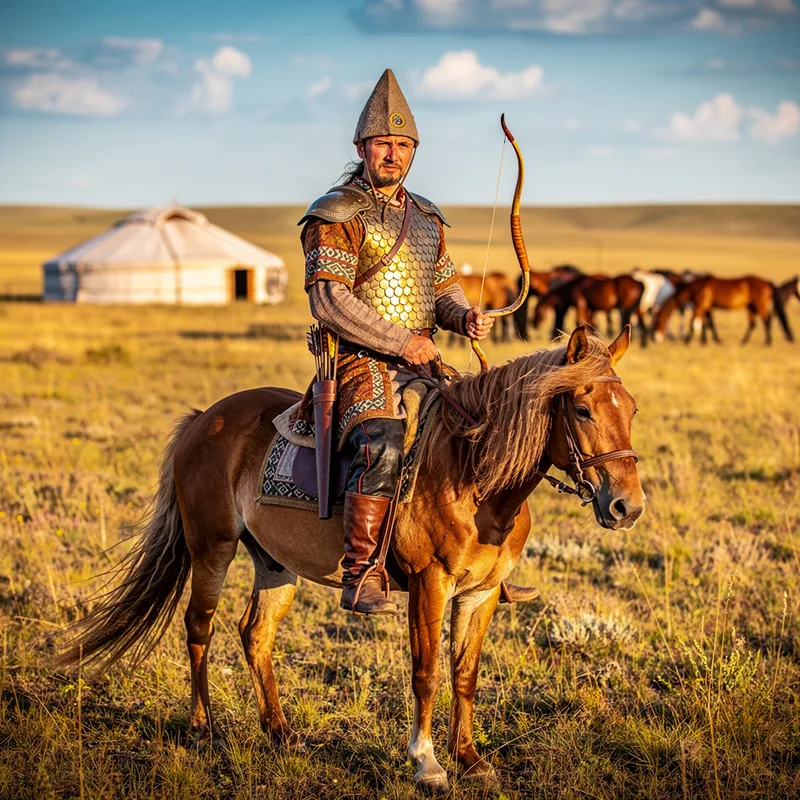
Scythian
 3
9.9
3
9.9

- noun
- /ˈsɪθiən/
- Historians study the artifacts left behind by the Scythians to learn about their lifestyle.
Loading YouTube…
Watch on YouTubeIs Anacarsis the Scythian, a cynic?
- Is Anacarsis the Scythian, a cynic?
- Next to them stood men from the foreign mercenaries Taro Scythians.
Examples
-
Among the Iranian tribes known in the historical record in antiquity are the Scythians, whose cultural profile as pastoral nomads becomes discernible in the seventh century B.C.
Academic text (2000) -
The Scythians were known for their skilled horse riding and archery.
-
And, you know, these are the Scythians and the Celts and people like that.
-
The Scythians will ride with Attila!
-
One thing seems certain, kings and chieftains amongst the Scythians held immense power.
-
The Scythians were also unwilling to part with their younger horses for the sake of ceremony.
Academic text (2002) -
Between 800 and 300 B.C., the Scythians dominated a vast swath of land stretching from Siberia to the Black Sea.
Academic text (2002) -
In the world of the Scythians, the horse was the single most important animal, enabling these Eurasian steppe nomads to traverse vast distances.
Academic text (2002) -
The culture of the Pazyryk people in the Altai Mountains was similar to that of the nomadic Scythians of Ukraine and elsewhere who roamed across the Eurasian steppe.
Blog text (26) -
The Scythians inhabited regions of Europe and Asia from the 8th century BC to the 2nd century AD.
Compounds


- Specialized
An old Iranian speech used by ancient Scythians in the Eurasian steppes and now extinct
Surface Forms
Morphology
Etymology
Scythian comes from an old Greek name Skuthēs for the people of Scythia, who lived on the wide grasslands north of the Black Sea as horse-riding nomads. So a Scythian is a member of that ancient nomadic people.