

Scots
- adjective
- /skɒts/
- She is proud of her Scots heritage and regularly visits her grandparents in Edinburgh.
Examples
-
The Scots language has a rich literary tradition dating back centuries.
-
Many Scots customs are celebrated around the world, especially on Burns Night.
-
The Scots have a rich cultural heritage.
-
Many Scots celebrate Burns Night every January.
-
Many Scots customs are celebrated around the world, especially on Burns Night.
-
She is proud of her Scots heritage and regularly visits her grandparents in Edinburgh.
-
The Scots language has a rich literary tradition dating back centuries.
Synonyms

 120
2.3
120
2.3

About Scotland, its people, or culture

Relating to Scotland, especially its Highlands, or to things from Scotland
Compounds


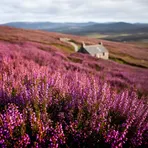
A low evergreen shrub with small purple or pink flowers that covers moors in Scotland

A pine tree with reddish-brown flaky bark and pairs of needles that grows in northern Europe and Asia

Surface Forms
Morphology
Etymology
Scots comes from the name for the people, Scot, and the place name Scotland. So Scots means 'from or about Scotland', used for people, culture, or the local languages.