
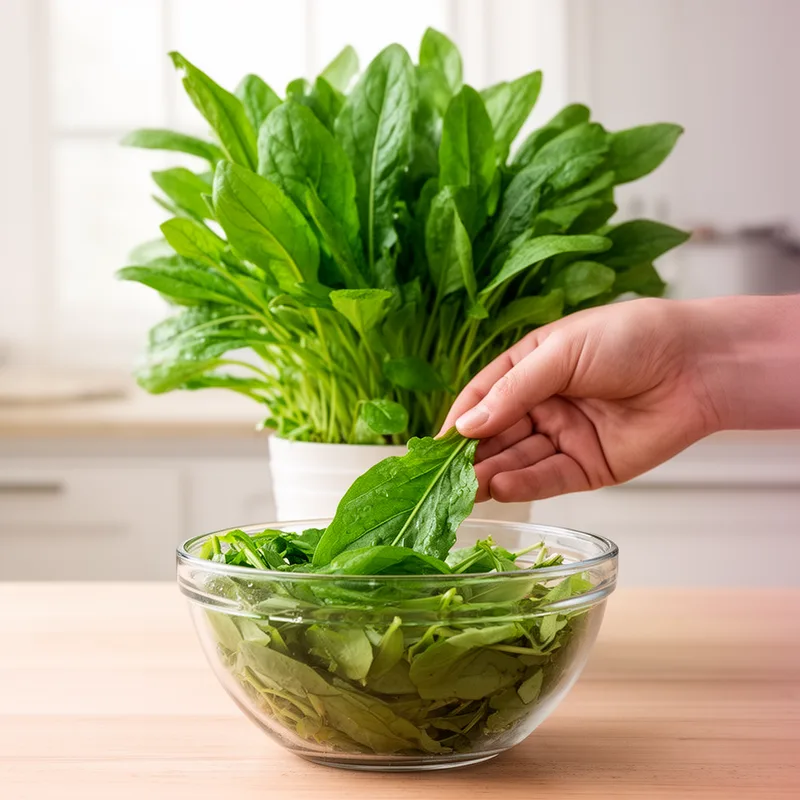
Rumex acetosa
- noun
- Specialized
- Many chefs use Rumex acetosa to add a tangy flavor to spring salads.
Examples
-
The broad leaves of Rumex acetosa are prized in European cuisine for their refreshing taste.
-
Gardeners often cultivate Rumex acetosa for its edible, vitamin-rich greens.
-
I enjoy adding Rumex acetosa to my salads.
-
Have you ever tasted Rumex acetosa?
-
Many chefs use Rumex acetosa to add a tangy flavor to spring salads.
-
Gardeners often cultivate Rumex acetosa for its edible, vitamin-rich greens.
-
The broad leaves of Rumex acetosa are prized in European cuisine for their refreshing taste.
Synonyms

A plant with sour leaves used in salads and cooking
A plant with large sour leaves used in salads and spring greens
A leafy herb with sour pointed leaves used in salads and sauces
Surface Forms
Morphology
Rumex + acetosa
This is a Latin scientific name composed of a genus (Rumex) and a species epithet (acetosa) rather than a conventional English phrase, and the species epithet is not a known English word. Even if a learner recognizes Rumex as ‘sorrel’, a B1 learner who knows the constituents would not reliably infer the full meaning (a particular edible sorrel species used in salads); scientific binomials are learned lexical items and are effectively idiomatic/opaque to general learners.
Etymology
The plant name Rumex acetosa comes from Latin words: Rumex named the 'sorrel' plant and acetosa means 'sour', so the name describes its tangy leaves used in salads.

