
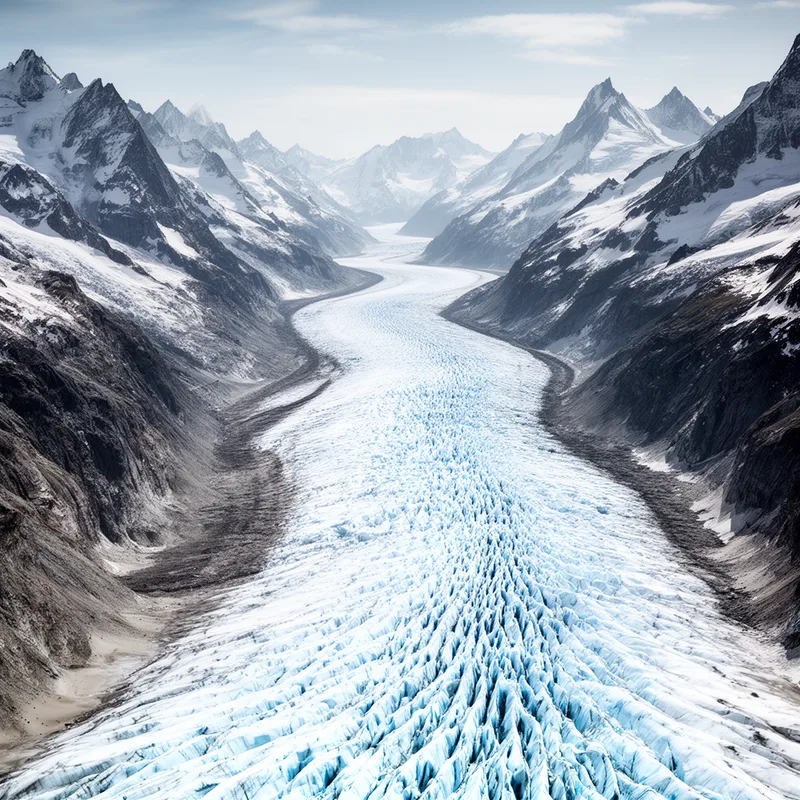
Riss glaciation
- noun
- Specialized
- Many valleys in the Alps were shaped during the Riss glaciation.
Examples
-
Sediments from the Riss glaciation provide evidence of ancient climatic changes.
-
During the Riss glaciation, large ice sheets covered much of the Alps.
-
Geologists study the Riss glaciation to understand the formation of the Alpine landscape.
-
The Riss glaciation was a significant event in Earth's climatic history.
-
Geologists study the Riss glaciation to understand the formation of the Alpine landscape.
-
Many valleys in the Alps were shaped during the Riss glaciation.
-
Sediments from the Riss glaciation provide evidence of ancient climatic changes.
Surface Forms
Morphology
Riss + glaciation
The noun 'glaciation' transparently conveys the core meaning of extensive glacier coverage, so a learner who knows that term can infer this is a glaciation called 'Riss'. However, 'Riss' is a proper name with no descriptive meaning for the learner, so the precise historical/chronological information (next-to-last Pleistocene, specific Alpine context) cannot be derived, making the expression only partly predictable.
Etymology
Riss glaciation is named after the Riss river area in southern Germany, where scientists found large piles of rock and soil left by old ice. Because glaciation means a time when 'glaciers' covered the land, the name now refers to that earlier 'ice age' in the Alps when big glaciers shaped the valleys.

