

Pyrrosia
- noun
- Specialized
- The Pyrrosia species thrive on the trunks of large trees in rainforests.
Examples
-
Botanists discovered a new Pyrrosia growing on limestone cliffs in Southeast Asia.
-
The Pyrrosia fern thrives in humid environments.
-
Many gardeners appreciate Pyrrosia for its attractive, leathery fronds.
-
Many gardeners appreciate Pyrrosia for its unique appearance.
-
Many gardeners appreciate Pyrrosia for its attractive, leathery fronds.
-
Botanists discovered a new Pyrrosia growing on limestone cliffs in Southeast Asia.
-
The Pyrrosia species thrive on the trunks of large trees in rainforests.
Synonyms
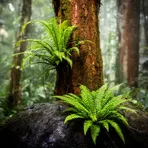
A fern that grows on rocks or trees in tropical and subtropical regions

A tropical fern with antler-shaped leaves that grows on trees

A group of large ferns that grow on trees in tropical forests

A group of tropical ferns often called rabbit's-foot ferns and grown as houseplants
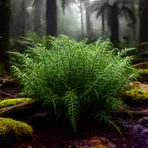
A group of ferns that grow in wet places like forests in New Zealand
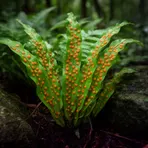
A group of tropical ferns with round spore clusters and no covering
Compounds
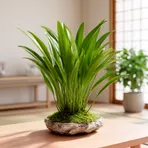
- Specialized
A fern from East Asia with long tongue-shaped leaves often grown as a houseplant
Surface Forms
Etymology
The word Pyrrosia is the name of a group of ferns and comes from the Greek pyrrhos, which means 'flame-coloured' or 'red'. A helpful way to remember it is that some of these ferns have reddish hairs or scales under their leaves, so the name points to that colour.

