

Pygmy
 3
9.9
3
9.9

- noun
- /ˈpɪɡmi/
- Slur
- Among the thousands of images Lang brought back from the six-year expedition are hundreds of photographs of the Mangbetu, Zande, Logo, Malele, Makere, and Pygmy peoples.
Loading YouTube…
Watch on YouTubeHe called him a, a pygmy behind a giant typewriter.
- He called him a, a pygmy behind a giant typewriter.
Examples
-
The term Pygmy is often regarded as offensive when referring to certain indigenous groups in Central Africa.
-
In discussions about cultural sensitivity, many scholars advise against using the label Pygmy for these communities.
-
One issue is all of these so-called Pygmy groups speak languages of their much larger agricultural neighbors.
-
There's a story in the Smithsonian Magazine recently about Bush Pygmies in in Africa.
-
He described how a Pygmy man was once amusing a small crowd with imitations—first of an elephant being killed, then of a white official, and finally, of Lang himself.
Academic text (1991) -
Many consider the term Pygmy outdated and prefer to use the specific names of the tribes instead.
Compounds


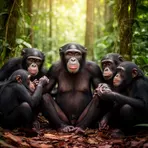
A small ape from central African forests similar to a chimpanzee that lives in groups

A rare small cypress tree that grows only a few feet tall in northern California
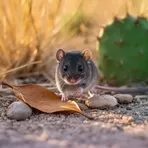

Surface Forms
Etymology
Pygmy comes from the Greek pygmaios and the root pygme meaning 'fist' or 'arm length', an image for something small; a helpful way to remember this is to think of a small measure. Today, however, Pygmy is widely considered offensive and disrespectful when used for real Central African groups, so it should be avoided in favor of respectful names.