
Punic
 2
9.9

- adjective
- /ˈpjuːnɪk/
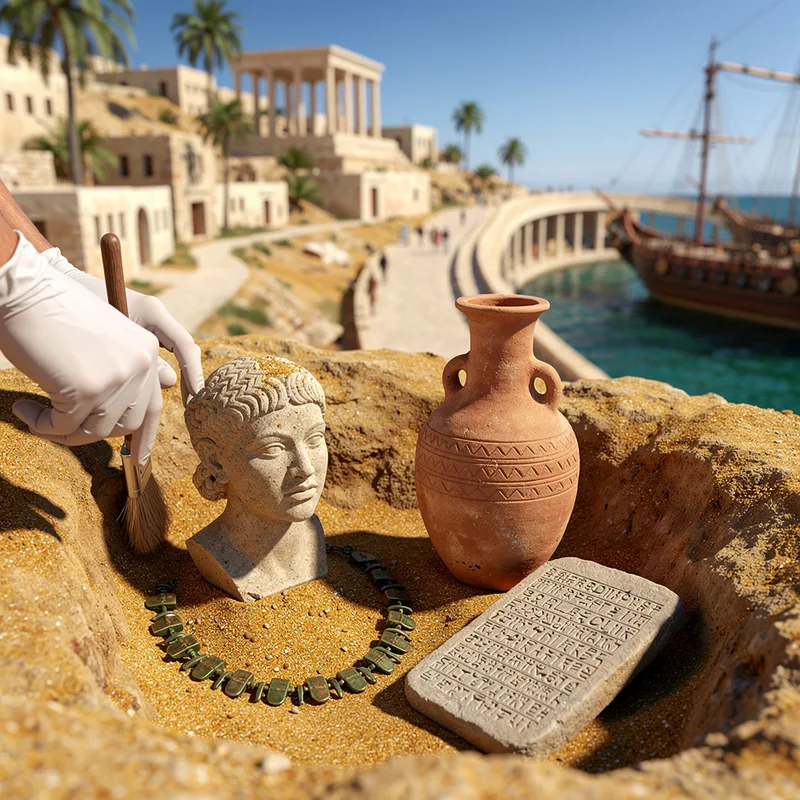
- The Punic people were known for their maritime skills and trade.
Loading YouTube…
Watch on YouTubeInstead, they now resign themselves to slowly choking out the last remaining Punic strongholds on Sicily.
- Instead, they now resign themselves to slowly choking out the last remaining Punic strongholds on Sicily.
- And so, you know, people have pointed out, we do believe the Punic Wars, which described the battles between Carthage and Rome.
- I mean that they were isolated Punic customs, but there was never a a a known entity of as the Punic language or Punic religion.
Examples
-
During the Second Punic War, Rome got its excuse to intervene in the affairs of Greece and fought number of wars against the heirs of Alexander the Great.
-
Worship of Cybele began after the Second Punic War; an invitation was issued by the government, which sought assistance during Hannibal's invasion of Italy.
Academic text (2004) -
This was the first Punic War.
Blog text (26) -
She dropped the course three weeks later, during the Punic Wars.
Fiction book (1991) -
This is clear from Mr. Madden's own recounting of the Punic Wars.
Blog text (26) -
Here the Punic fleet was drawn ashore in a fortified coastal camp.
-
Almost the entire Punic army was destroyed, but the Greeks only imposed moderate terms on their defeated foe.
-
Instead, they now resign themselves to slowly choking out the last remaining Punic strongholds on Sicily.
-
At the time, Carthage and Rome were jousting for supremacy over the Mediterranean in a century-long series of bitter battles known as the Punic Wars.
Academic text (2007) -
Historians often study Punic culture to understand the influence of ancient Carthage.
Synonyms
 2
8.4
About the ancient city of Carthage or its people
Compounds


Surface Forms
Etymology
Punic comes from Latin Punicus, which connected the word to the Phoenician people of Carthage and their well-known 'purple' dye. So Punic as an adjective means 'from Carthage' or relating to its people and their language.