
Pseudomonodaceae
- noun
- /ˌsuːdəˌmoʊnəˈdeɪʃiː/
- Specialized
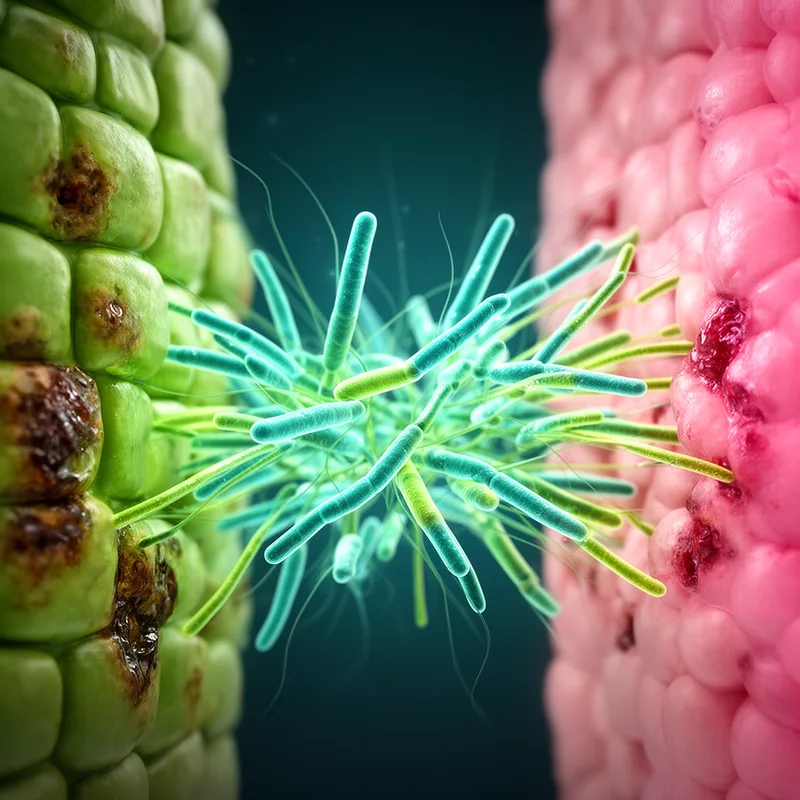
- Certain members of the Pseudomonodaceae family are linked to plant diseases such as bacterial blight.
Examples
-
Recent research focuses on the antibiotic resistance of Pseudomonodaceae strains found in hospitals.
-
The Pseudomonodaceae are studied extensively due to their industrial and medical importance.
-
The Pseudomonodaceae family includes many harmful bacteria.
-
Researchers study Pseudomonodaceae for their role in plant diseases.
-
Certain members of the Pseudomonodaceae family are known to cause serious plant diseases such as bacterial blight.
-
Research on Pseudomonodaceae focuses on their role as pathogens that affect both plants and animals.
-
The family Pseudomonodaceae is significant in microbiology due to its impact on agriculture and health.
Synonyms

A group of bacteria shaped like rods that can cause disease in plants and animals
Compounds
- Specialized
A group of bacteria shaped like rods that can cause disease in plants and animals
Surface Forms
Etymology
Pseudomonodaceae comes from the Greek parts pseudo- meaning 'false' and mono- meaning 'single', with the scientific ending -aceae meaning 'family'. So the name means the 'family' of bacteria related to the group Pseudomonas, which helps you remember it as a family group of certain bacteria.

