

Prunus insititia
- noun
- Specialized
- The small, tart plums of Prunus insititia are prized for making preserves.
Examples
-
The jam was made from the fruit of the Prunus insititia tree growing in their orchard.
-
Botanists often study Prunus insititia due to its hardiness compared to other plums.
-
The Prunus insititia tree produces sweet, tart fruits.
-
Did you know that Prunus insititia is often used in jams?
-
The jam was made from the fruit of the Prunus insititia tree growing in their orchard.
-
The small, tart plums of Prunus insititia are prized for making preserves.
-
Did you know that Prunus insititia is often used in jams?
Synonyms
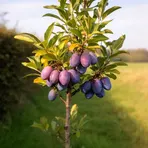
A small wild plum tree with oval fruit that grows in clusters

A small plum tree that makes tart fruit called damsons used for jam
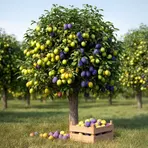
A type of plum tree grown for fruit you can eat, like greengages and damsons
Surface Forms
Morphology
Prunus + insititia
This is a Latin scientific name (binomial) where the genus 'Prunus' may hint at a fruit tree but the species epithet 'insititia' is not an English word and carries no transparent, compositional meaning for a B1 learner. Knowing the constituent parts would not allow a learner to derive the common meaning 'damson' or the specific species sense, so the expression is opaque.
Etymology
Prunus insititia is the scientific name for a small, tart 'plum' better known as the 'damson'. The name mixes Prunus (an old word for 'plum') with insititia (a label for this special kind), and the fruit became linked to Damascus because similar plums came through that city long ago. That's why the name points to this tart plum people often use for jam and preserves.

