

Polyergus
- noun
- /ˈpɒlɪɡərəs/
- Specialized
- Researchers observed that Polyergus conduct organized raids to kidnap pupae from nearby Formica colonies.
Examples
-
The Polyergus rely entirely on enslaved workers from other ant species to maintain their colonies.
-
Did you know that Polyergus enslaves the workers of other ant species?
-
Because Polyergus cannot care for themselves, they depend on their captured slaves for food and brood care.
-
The Polyergus are fascinating creatures in the ant world.
-
The Polyergus ants are known for their unique behavior of raiding and enslaving workers from other ant colonies.
-
In a typical colony, the Polyergus must rely on their captured ant slaves for survival.
-
Researchers have found that Polyergus conduct elaborate raids to steal pupae from nearby ant nests.
Synonyms

A small reddish ant that raids other ant nests and uses captured workers for all tasks
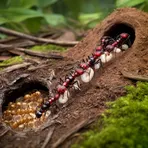
An ant that attacks other ant nests and takes their young to raise as workers in its own nest

An ant that enters other ant nests and takes young ants to raise as workers
Compounds

- Specialized
A small reddish ant that steals workers from other ants to work in its colony
Surface Forms
Etymology
Polyergus comes from the Greek parts poly- meaning 'many' and ergon meaning 'work', the same root you see in energy. A helpful way to remember it is that these ants raid other nests to take many workers who do the work for their colony, so the name points to 'many workers'.

