

Plough
 7
5.1
7
5.1

- noun
- /plaʊ/
- UK
- Many stargazers enjoy locating the plough in the constellation known as the Big Dipper.
Examples
-
You can't identify it as part of the Ursa Major, the Big Bear, the part that the English called the plow and we call the Big Dipper.
-
Known also as the Plough and the Saucepans, each dipper is in turn part of a larger constellation.
Fiction book (1999) -
The Plough hung very low, and the stars in Orion's belt glittered white-gold on thick midnight velvet.
Fiction book (1995) -
In the night sky, the plough can be easily spotted among the stars of Ursa Major.
-
The plough is one of the most recognizable asterisms for amateur astronomers.
Synonyms
 11
3.2
11
3.2
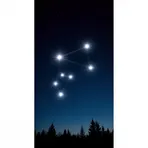
A pattern of seven bright stars that looks like a large ladle in the northern sky
 1
6.6
1
6.6
A group of seven stars forming a bowl shape used to find the North Star
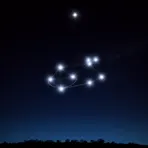
A group of seven bright stars in the northern sky called the Big Dipper

A group of seven bright stars that form the Big Dipper in the Ursa Major star pattern
Idioms

Compounds

- Archaic
A simple light farming tool with one blade that scratches soil without turning it, used in ancient farming

- Archaic
A simple light farm tool that loosens the top of the soil without turning it over
Surface Forms
Etymology
The word Plough comes from an old English name for the farming tool 'plough' or 'plow'. People called the seven bright stars in Ursa Major the Plough because the pattern looks like that simple tool, which is why British speakers still use the name today.