
Plinian
- adjective
- /ˈplɪniən/
- Specialized
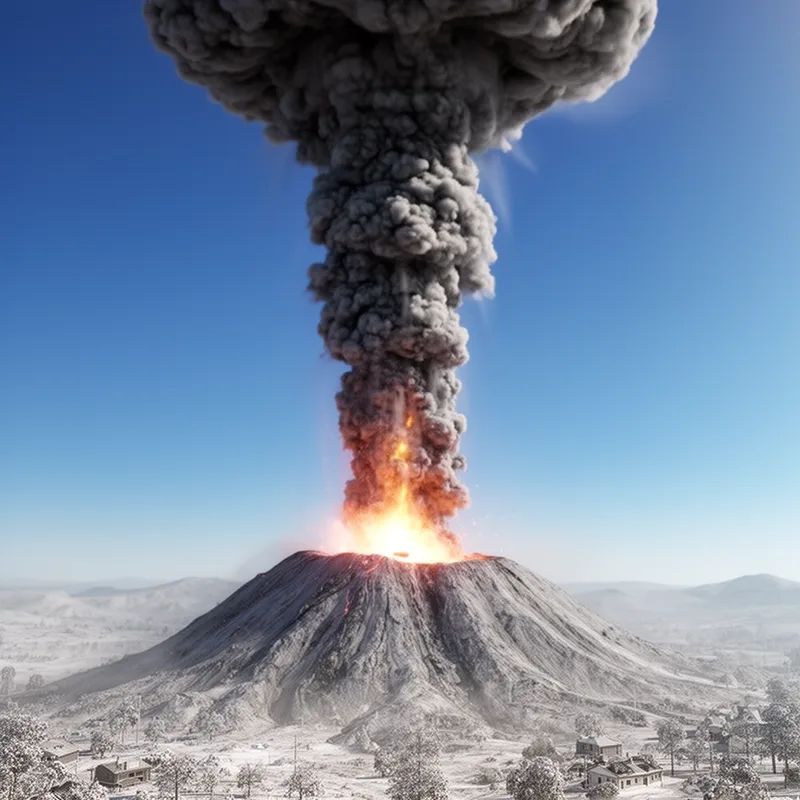
- The Hatepe eruption was the most violent Plinian eruption in recent history.
Examples
-
The Mount St. Helens eruption in 1980 was a powerful example of a Plinian eruption that sent ash high into the atmosphere.
-
Scientists studied the Plinian eruptions of Vesuvius to better understand their explosive nature.
-
During a Plinian eruption, the volcano can eject ash and gas columns that reach several kilometers into the sky.
Synonyms

 79
3.9
79
3.9

Relating to volcanoes or the lava and ash they produce
 5
9.0
5
9.0
Made of hot rock and ash from a volcanic eruption
Compounds

- Specialized
A very strong volcanic eruption that shoots gas and ash high into the sky
How Explosive

Surface Forms
Morphology
Etymology
Plinian comes from the Roman writer Pliny the Younger, who gave a famous, first-hand description of the huge eruption of Mount Vesuvius with a towering column of ash. That's why a Plinian eruption means a very explosive event that sends a tall, steady column of ash and gas into the sky.