
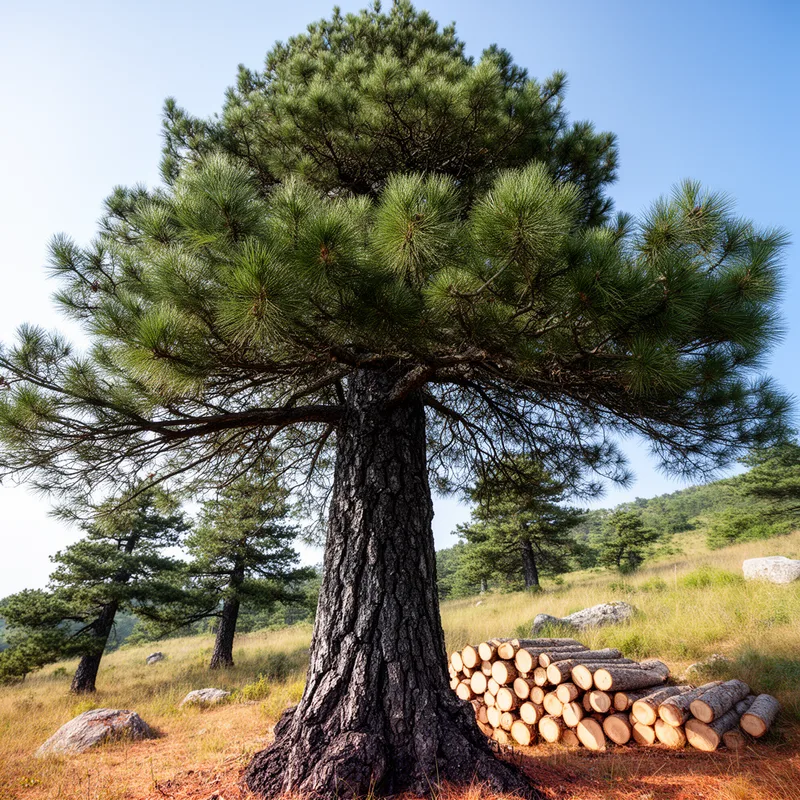
Pinus nigra
- noun
- Specialized
- The forest reserve is primarily composed of Pinus nigra, which provides valuable timber for the region.
Examples
-
The Pinus nigra planted along the street offers both shade and ornamental value.
-
Botanists studied the growth patterns of Pinus nigra in its native southeastern European habitat.
-
The Pinus nigra thrives in mountainous regions.
-
Many parks feature the majestic Pinus nigra.
-
The Pinus nigra is commonly used for timber due to its durability and strength.
-
In southeastern Europe, the landscape is dotted with towering Pinus nigra trees.
-
Foresters recommend planting Pinus nigra for its ability to adapt to various soil types.
Synonyms
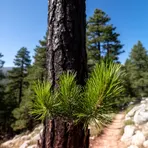
A large pine from southeast Europe with dark bark and two needles per cluster
Surface Forms
Morphology
Pinus + nigra
If the learner knows 'Pinus' (the pine genus) and 'nigra' (Latin for 'black' or 'dark'), the compound is directly interpretable as 'black/dark pine' — a descriptive species name. Binomial scientific names typically combine a genus + descriptive epithet, so the meaning is compositional and predictable to someone who knows the constituents.
Etymology
Pinus nigra comes from old Latin words: Pinus means 'pine' and nigra means 'black'. Because the tree has dark bark and dark green needles, the name literally means 'black pine', so the name helps you remember the tree's dark look.

