
Phylloscopus sibilatrix
- noun
- Specialized
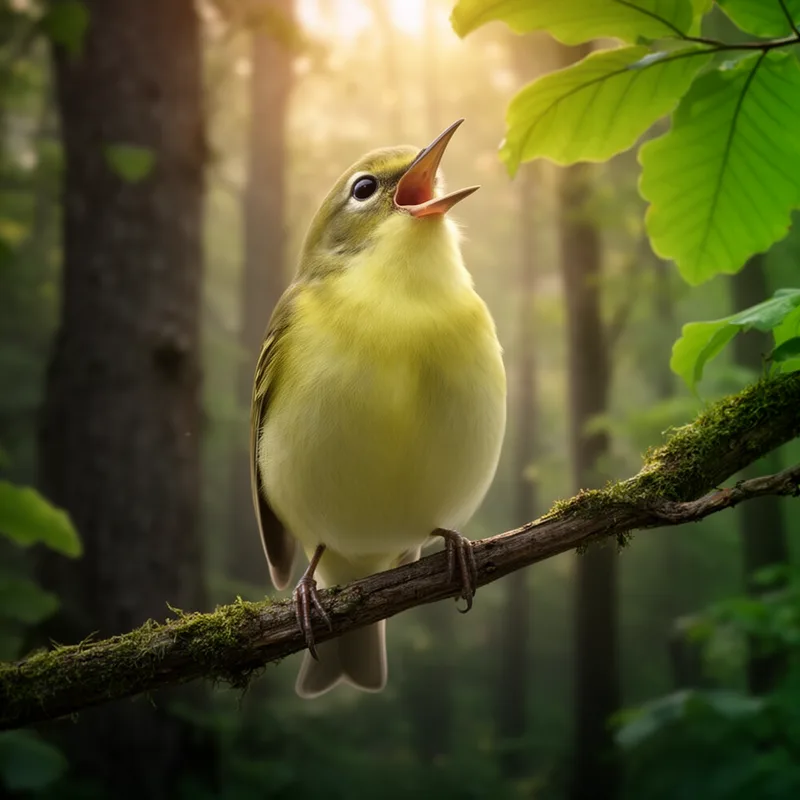
- The Phylloscopus sibilatrix can often be heard singing in European deciduous forests during spring.
Examples
-
Birdwatchers look for the pale yellow plumage of Phylloscopus sibilatrix among the tree branches.
-
Conservationists study Phylloscopus sibilatrix to monitor changes in woodland bird populations.
-
The Phylloscopus sibilatrix sings beautifully in the morning.
-
Have you ever seen a Phylloscopus sibilatrix in the wild?
-
The Phylloscopus sibilatrix, known for its bright yellow plumage, is a common sight in European woodlands during spring.
-
Birdwatchers often gather to listen for the melodious song of the Phylloscopus sibilatrix in the early morning.
-
Due to its beautiful song and bright yellow feathers, the Phylloscopus sibilatrix attracts many visitors to the park.
Synonyms

A small European forest bird with pale yellow feathers and a clear trilling song
Surface Forms
Morphology
Phylloscopus + sibilatrix
This is a Latin binomial (genus + species) that functions as a taxonomic label rather than a compositional English phrase; the overall meaning ('a particular woodland warbler') cannot be derived from the parts. One constituent is a scientific genus and the other is not defined in the dictionary, so a B1 learner who knows the words would not be able to infer the species meaning from them.
Etymology
Phylloscopus sibilatrix comes from words meaning Phylloscopus 'leaf-watcher' and sibilatrix 'whistler'. Picture a small pale yellow bird in the forest hiding in the leaves and singing, and that image shows why the name fits this songful bird today.

