
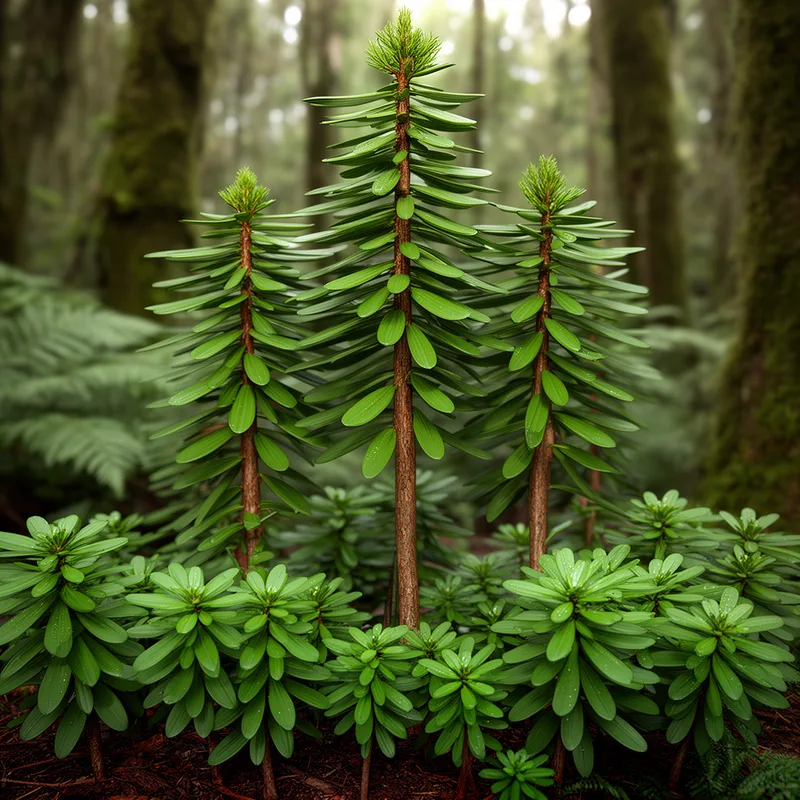
Phyllocladus
- noun
- Specialized
- Botanists are studying Phyllocladus species for their unique leaf-like stems.
Examples
-
The rare Phyllocladus thrives in the temperate rainforests of New Zealand.
-
Several gardens feature Phyllocladus as an ornamental conifer due to its unusual appearance.
-
The Phyllocladus tree thrives in tropical climates.
-
Many Phyllocladus species are found in New Zealand.
-
Scientists are researching Phyllocladus to understand its adaptation to various climates.
-
The landscape architect chose Phyllocladus for its striking form and evergreen foliage.
-
In Australia, Phyllocladus is often used in parks and gardens for its unique appearance.
Synonyms
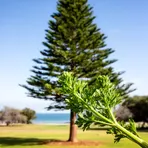
An evergreen tree from Australia with leaves that look like celery
Compounds
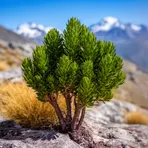
- Specialized
A small shrubby pine with scale-like leaves that grows in New Zealand mountains
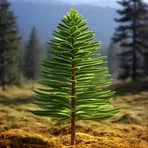
- Specialized
A medium-tall evergreen tree from Tasmania with flat branches like leaves

- Specialized
A medium tall evergreen tree from New Zealand called the celery pine
Surface Forms
Morphology
Phyllocladus = phyllo + cladus
The name is formed from Greek combining forms used in botanical taxonomy (phyllo- 'leaf' + -cladus/klados 'branch'), which are not productive standalone English words and thus not transparent to an average B1 learner.
Etymology
Phyllocladus comes from Greek parts phyllo- meaning 'leaf' and -cladus meaning 'branch'. These trees have flat, leaf-like stems or branches, so the name describes their branch that looks like a leaf.

