
Pelasgian


 1
9.9
- adjective
- /pəˈlæʒən/
- Specialized
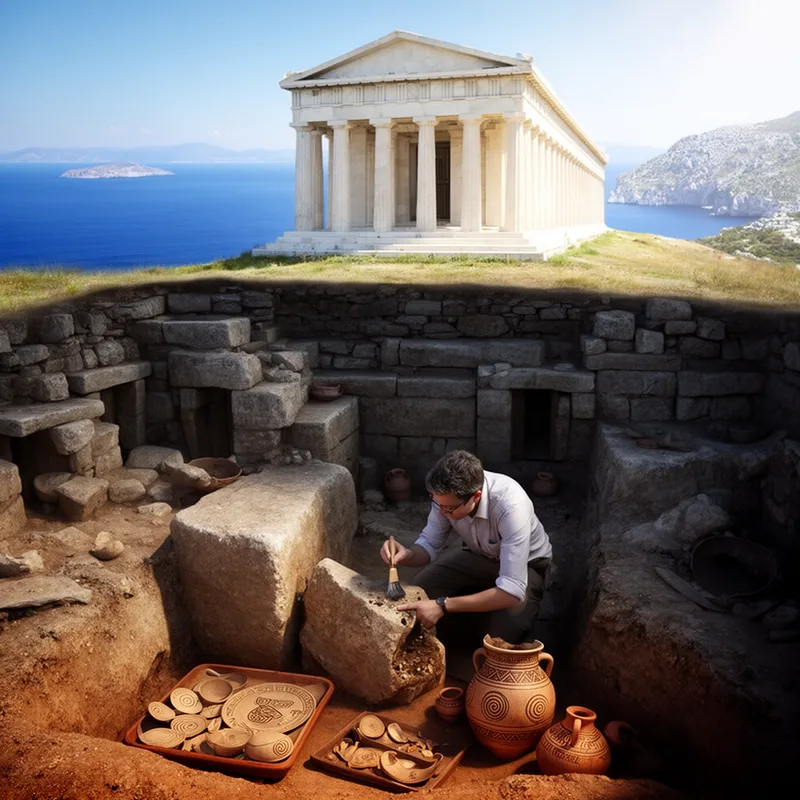
- Some ancient ruins are believed to be of Pelasgian origin, predating Greek civilization.
Examples
-
The Pelasgian language remains a mystery to historians and linguists.
-
The Pelasgian culture influenced many aspects of early Greek civilization.
-
Artifacts with Pelasgian designs have been discovered throughout the Aegean region.
-
Some historians argue that the Pelasgian people were the first inhabitants of Crete.
-
The Pelasgian culture greatly influenced the development of early Greek mythology.
-
Some ancient ruins are believed to be of Pelasgian origin, predating Greek civilization.
-
Artifacts with Pelasgian designs have been discovered throughout the Aegean region.
Surface Forms
Morphology
Pelasgian = Pelasgus (opaque) = Pelasg + ian
Formally built with the relational suffix '-ian', but the root is an obscure proper name (Pelasgus/Pelasgi-) that learners will not recognize, so the meaning is not derivable from common English vocabulary.
Etymology
Pelasgian comes from the ancient Greek name Pelasgoi, the name used for a people who lived in Greece before the Greeks. A helpful way to remember it is that some people link this name to the Greek pelagos 'sea' (seen in English pelagic), so Pelasgian often means 'of that early people' or things connected to them.