

Pascha


 1
9.8
1
9.8
- noun
- /ˈpæskə/
- Many families celebrate Pascha with a traditional meal.
Examples
-
In some ancient texts, the celebration of Pascha is described in detail.
-
The date of Pascha was carefully calculated by Jewish scholars each year.
-
Early Christians often referred to Easter using the term Pascha, linking it to the Passover festival.
-
This year, Pascha falls in early April.
-
During Pascha, families gather to celebrate their freedom and share traditional meals.
-
Many Jewish communities celebrate Pascha with special prayers and the Seder dinner.
-
The significance of Pascha is deeply rooted in Jewish history, commemorating the Exodus from Egypt.
Synonyms
 3
9.3
3
9.3
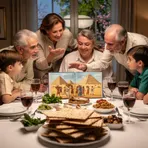
A Jewish spring festival that remembers the Israelites leaving Egypt and usually lasts eight days
 1
4.9
1
4.9
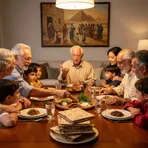
A major Jewish festival that remembers the escape from Egypt and is celebrated with a special family meal

A Jewish festival lasting eight days that remembers when the Jewish people escaped from Egypt
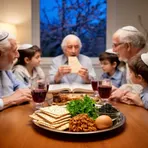
A Jewish festival every spring that remembers the Israelites' escape from slavery in Egypt
Surface Forms
Etymology
Pascha comes from the Hebrew word Pesach, which means 'to pass over'. It refers to the Jewish festival that remembers when the angel 'passed over' the homes of the Israelites, allowing them to leave Egypt and be free.