
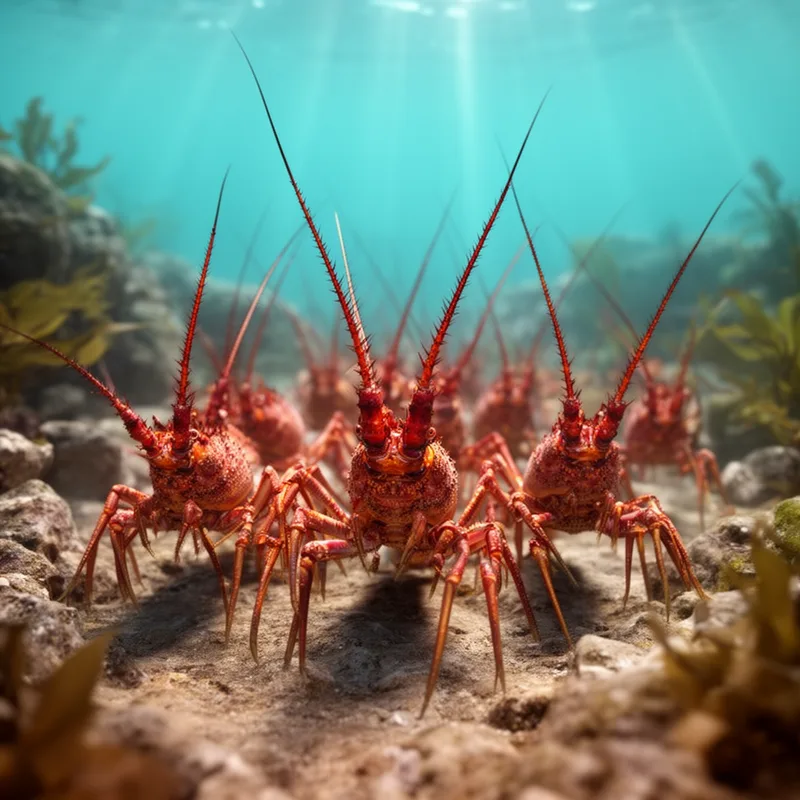
Palinuridae
- noun
- /ˌpælɪˈnʊrɪdeɪ/
- Specialized
- Spiny lobsters (Fam. Palinuridae, also called rock or Caribbean lobsters)
Examples
-
Between 1982 and 1991, the total annual catch of the Palinuridae averaged approximately 80,000 tonnes, taken in fisheries in more than sixty countries.
Academic text (1997) -
The chef prepared a delicious dish using fresh Palinuridae caught that morning.
-
Restaurants often feature Palinuridae in their seafood selections due to its unique flavor.
-
Many fishermen target Palinuridae during the summer months for its high market demand.
Synonyms

 1
3.8

A large sea animal with a spiny shell and no big claws eaten as food
 1
9.3
A large spiny sea animal like a lobster that people eat


 1
4.2
A large sea animal with a spiny shell and no big claws, often eaten in warm seas
 1
9.9
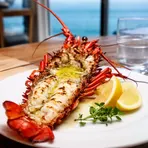
A large spiny lobster without big claws that people eat
Surface Forms
Morphology
Palinuridae = Palinurus (opaque) = Palinur + idae
Formed from a Latinized genus name plus the technical taxonomic suffix '-idae', which is specialized and not meaningful to average learners.
Etymology
Palinuridae comes from the genus Palinurus. A helpful way to remember it is to see palin- like the start of palindrome, meaning 'again', and to think of a 'tail', so picture a spiny lobster flicking its tail, which fits because Palinuridae are the family of spiny lobsters.