

PPI
 6
5.2
6
5.2

- noun
- Specialized
- The Nexus 7 display is 216 PPI; the iPad Mini (purportedly and assumed) is 163 PPI.
- 300 PPI
- 72 PPI
- PPI and resolution
Loading YouTube…
Watch on YouTubeI'm afraid that the PPI or DPI, it's not the same point per inch.
- I'm afraid that the PPI or DPI, it's not the same point per inch.
Examples
-
The pixel density on the latter is a more down-to-earth 265 ppi, but the screen is a half inch larger.
Blog text (22) -
That's not quite 200 PPI, but it is definitely in the ballpark.
Blog text (23) -
Do you know how the tech sites measure the PPI of the screen?
Blog text (20) -
Arguably, any increase in density beyond 300 ppi is lost on most human eyes anyway.
Blog text (31) -
However, keep in mind that PPI only measures the density of pixels.
Blog text (2) -
Also note that if we wanted to print this file at 300 PPI, the print size would be 1.333" x 1.667".
Academic text (2003) -
Keep the image size to no larger than 640x480 pixels at a resolution of 100 ppi.
Academic text (2001) -
With current inkjet technology, it is unlikely that you will need a resolution higher than 360 PPI.
Academic text (2003) -
The latest smartphone features a display with an impressive PPI of 326, ensuring sharp and vibrant images.
-
For high-quality printing, it's important to use an image with at least 300 PPI to capture all the fine details.
Synonyms
 91
3.9
91
3.9
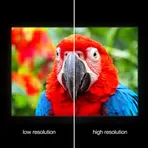
How clear and detailed an image or screen looks
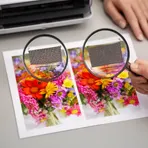
Number of dots in one inch that shows image detail
Surface Forms
Etymology
PPI stands for pixels per inch, which counts how many tiny picture dots fit into one inch of a screen or printed image. The more pixels per inch, the sharper and clearer the photo or text looks.