

Oxalis pes-caprae
- noun
- Specialized
- Oxalis pes-caprae is known for its bright yellow flowers that carpet fields in spring.
Examples
-
Gardeners often consider Oxalis pes-caprae a weed because it spreads aggressively.
-
The leaves of Oxalis pes-caprae are said to resemble a goat's foot, which inspired its species name.
-
The garden was filled with Oxalis pes-caprae blooming brightly.
-
Have you seen any Oxalis pes-caprae in the park?
-
Oxalis pes-caprae is a vibrant plant that many people recognize for its stunning yellow flowers in gardens.
-
In many areas, Oxalis pes-caprae is found growing in abundance, often among other wildflowers.
-
During summer, Oxalis pes-caprae transforms the landscape with its bright yellow blooms that attract bees.
Synonyms
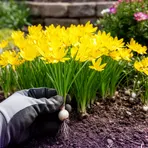
A small bulb plant with bright yellow flowers that often grows as a garden weed in South Africa
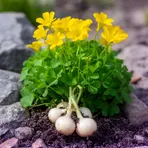
A South African plant with bulb-like roots and bright yellow flowers

A bulb plant with bright yellow flowers grown in gardens and sometimes a weed
How Weedy


Surface Forms
Morphology
Oxalis + pes-caprae
Although 'Oxalis' names a plant genus (so a learner might infer this is a plant), the second element 'pes-caprae' is a Latin species epithet with no ordinary-English lexical meaning provided and functions as an arbitrary taxonomic label. Botanical binomials are essentially names rather than compositional phrases conveying the full descriptive meaning (bulbous wood sorrel from South Africa), so a B1 learner who only knows the constituent form(s) would not be able to derive the MWE's specific meaning.
Etymology
Oxalis pes-caprae comes from the Latin words pes and caprae, which mean 'goat's foot'. The plant's three-part leaves look like a small goat's foot, so the name points to that shape.