

Oncorhynchus keta
- noun
- /ˌɒŋkəˈrɪŋkəs ˈkiːtə/
- Specialized
- During their migration, Oncorhynchus keta travel hundreds of miles upstream to spawn.
Examples
-
Commercial fisheries harvest large quantities of Oncorhynchus keta each year.
-
Chefs often prefer Oncorhynchus keta for its rich flavor.
-
The diet of wild bears often includes Oncorhynchus keta during the salmon run.
-
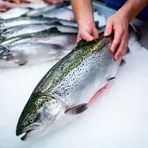
The Oncorhynchus keta is known for its distinctive spots.
-
Commercial fisheries harvest large quantities of Oncorhynchus keta each year.
-
During their migration, Oncorhynchus keta travel hundreds of miles upstream to spawn.
-
Chefs often prefer Oncorhynchus keta for its rich flavor.
Synonyms

 3
9.5
3
9.5

A large Pacific salmon with small spots on its back eaten for food

 1
6.3
1
6.3
A large Pacific fish with small spots on its back that people eat

A type of salmon found in the North Pacific
Surface Forms
Morphology
This is a taxonomic binomial: the genus name Oncorhynchus (a group including sockeye, chinook, coho) combined with the species epithet keta (chum salmon) directly identifies a particular salmon species. Because the meaning is compositionally built from two labels that specify a type of salmon, a learner who knows both constituents and recognizes the genus/species pattern can readily infer the MWE's meaning.
Etymology
Oncorhynchus keta is the scientific name for the chum salmon. One popular story says Oncorhynchus comes from old Greek words for 'hook' and 'nose' because the male fish grow a hooked snout when they spawn, and keta comes from the Russian name for this salmon, so the name points to the fish's look and common name today.