

Nepenthaceae
- noun
- /nəˈpɛnθəˌsi/
- Specialized
- Several species within the Nepenthaceae possess remarkable adaptations for catching insects.
Examples
-
The Nepenthaceae are noted for their unique pitcher-shaped traps.
-
The Nepenthaceae family includes many unique species.
-
Botanists have studied Nepenthaceae for insights into carnivorous plant evolution.
-
Did you know that Nepenthaceae plants can trap insects?
-
The Nepenthaceae plants are fascinating because they trap insects using their unique pitcher-shaped leaves.
-
Many species of Nepenthaceae can be found in tropical rainforests, thriving in nutrient-poor soil.
-
Researchers study Nepenthaceae to understand their unique adaptations for survival in harsh environments.
Synonyms

A group of tropical plants that catch insects in cup-shaped leaves
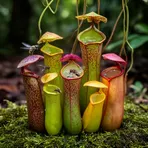
A group of insect-eating plants with cup-shaped leaves that trap insects
Compounds
- Specialized
A group of tropical plants that catch insects in cup-shaped leaves
Surface Forms
Morphology
Etymology
Nepenthaceae comes from the Greek word nepenthe, meaning 'without grief', a mythic potion that removes sorrow, with -aceae added to show it is a plant family. The genus Nepenthes was named for that idea because the plants have pitcher-shaped leaves like strange potion cups, and that image helps you remember this family of carnivorous plants that trap insects.

