

Myrmecophaga
- noun
- /ˌmɜr.mɪ.kəˈfɑː.ɡə/
- Specialized
- The Myrmecophaga genus includes the fascinating giant anteater found in South America.
Examples
-
The Myrmecophaga typically uses its long tongue to extract ants and termites from nests.
-
The Myrmecophaga is known for its long snout.
-
Researchers studied the diet of Myrmecophaga to better understand its ecological impact.
-
Many Myrmecophagas can be found in the wild.
-
Researchers studied the diet of Myrmecophaga to better understand its role as an insectivore in its habitat.
-
The Myrmecophaga genus, which includes the giant anteater, is famous for its unique feeding habits.
-
With its long tongue, the Myrmecophaga can efficiently extract ants and termites from their nests.
Synonyms

A group of large South American mammals that eat ants and termites, including the giant anteater
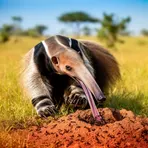
A large South American animal with a very long nose and tongue that eats ants
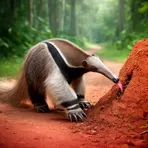
A large mammal from South America with a long tongue and claws that eats ants and termites

A large furry animal from South America with a long snout and tongue that eats ants
Compounds
- Specialized
A group of large South American mammals that eat ants and termites, including the giant anteater
Surface Forms
Morphology
Myrmecophaga = myrmeco + phaga
The name is a Latinized Greek compound ('ant' + 'eating') composed of combining forms that are not productive standalone English words, so its structure and meaning are not obvious to an average B1 learner.
Etymology
Myrmecophaga comes from Greek parts: myrmec- meaning 'ant' and -phaga meaning 'to eat'. So Myrmecophaga literally means 'ant-eater', which is why it is the scientific name for the giant anteater.

