

Monochamus
- noun
- Specialized
- Monochamus larvae are known for boring into pine trees and causing damage to timber.
Examples
-
Some species of Monochamus act as vectors for the pinewood nematode, threatening forest health.
-
The Monochamus beetle is known for its distinctive long antennae.
-
The forestry experts identified the beetle as a species within the Monochamus genus.
-
Have you ever seen a Monochamus in the wild?
-
Monochamus larvae are notorious for boring into the wood of pine trees, which can lead to severe damage.
-
In forests, the Monochamus beetle's larvae tunnel through wood, affecting the health of pine trees.
-
The researchers discovered several Monochamus species infesting the local pine population.
Synonyms

 1
7.4
1
7.4

A beetle with very long antennae often longer than its body
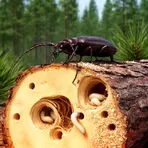
A large beetle whose young bore holes in pine trees
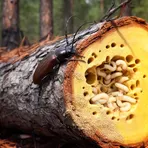
A large beetle whose young make holes in dead or dying pine trees

A beetle whose young make holes in dead or dying trees
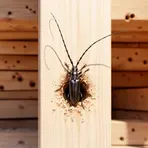
A beetle with a long body and very long antennae that often makes holes in wood
Surface Forms
Etymology
Monochamus begins with the Greek part mono- meaning 'one', the same root you see in monarch. A helpful way to remember the name is to think of it as the 'one' group of large longhorn beetles that bore into pine wood, so Monochamus is the genus name for those wood-boring beetles.