
Megapodiidae
- noun
- Specialized
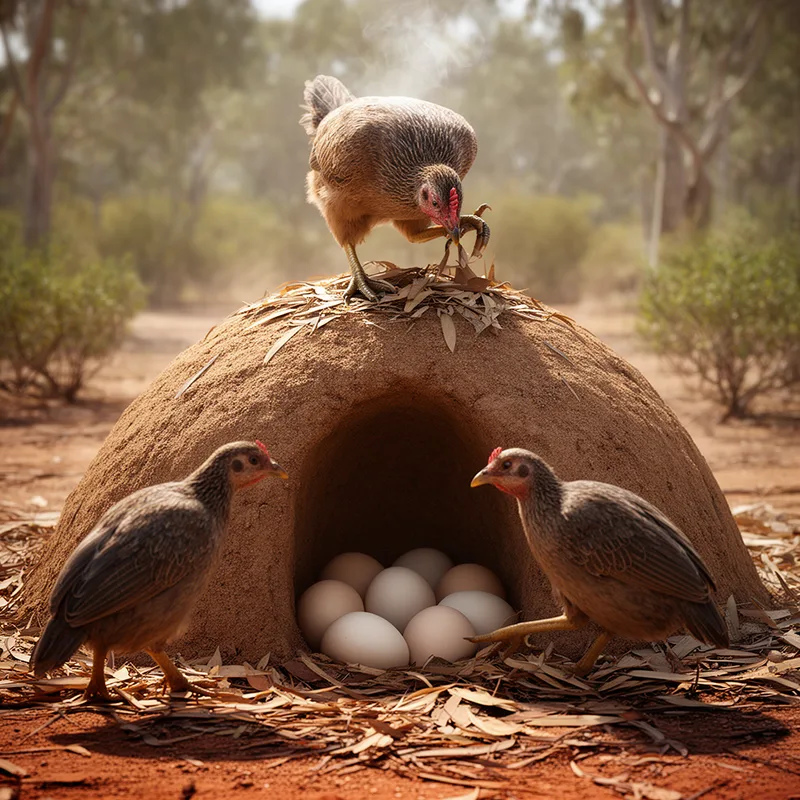
- Unlike most birds, Megapodiidae use external heat sources to incubate their eggs.
Examples
-
The Megapodiidae are famous for their mound-building nesting behavior.
-
The Megapodiidae family includes birds like the Australian brush turkey.
-
Members of the Megapodiidae family can be found throughout Australasia.
-
Many Megapodiidae species are known for their unique nesting behaviors.
-
The Megapodiidae family includes several species of birds that lay their eggs in large mounds of earth.
-
In Australasia, the Megapodiidae are recognized for their remarkable ability to adapt their nesting techniques to the environment.
-
Birdwatchers often seek out the Megapodiidae family because of their distinctive behaviors during egg incubation.
Synonyms
A group of birds from Australia and nearby islands with large feet that bury eggs in warm mounds
Compounds
- Specialized
A group of birds from Australia and nearby islands with large feet that bury eggs in warm mounds
Surface Forms
Morphology
Megapodiidae = Megapodius (opaque) = mega + pod + idae
The word is a zoological family name built on a Latinized genus stem, so its structure is not obvious to average English learners.
Etymology
Megapodiidae comes from Greek parts mega- meaning 'large' and pod- meaning 'foot', so it literally means 'large-footed'. These birds, called megapodes, use strong feet to dig and build big mounds that keep their eggs warm. The ending -idae simply marks a 'family', so the name links their big feet to this group of mound-building birds.

