
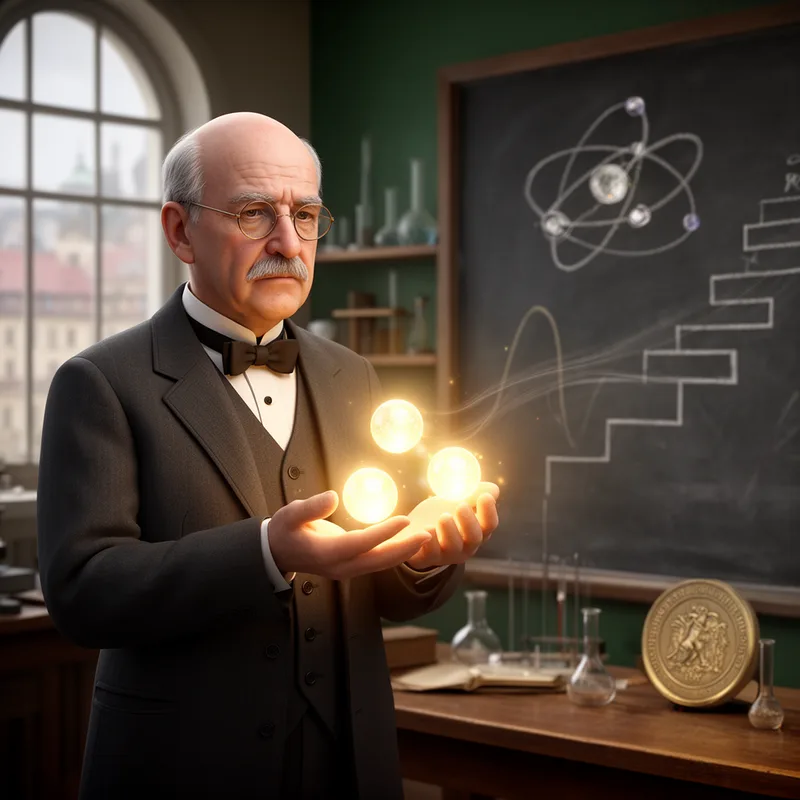
Max Planck
 4
6.8

- proper noun
- /mæks plæŋk/
- Max Planck Institute
Examples
-
Photo (color): Later this year, a group of scientists at the Max Planck Institute in Leipzig, Germany, plans to release a first draft of the full Neanderthal DNA sequence.
Academic text (2010) -
Although most of the Neanderthal genome sequencing is now being done by the San Diego-based company Illumina, the Max Planck Institute initially chose 454 because it had come up with a way to read hundreds of thousands of DNA sequences at a time.
Academic text (2010) -
In 2005, however, 454 began a collaborative project with the Max Planck Institute in Leipzig, Germany, to sequence the full genetic code of a Neanderthal woman who died in Croatia's Vindija cave 30,000 years ago.
Academic text (2010) -
Max Planck was a pioneer in the field of Max Planck quantum theory, shaping the future of modern physics.
-
Many groundbreaking discoveries in astrophysics have been made by researchers at the Max Planck Institute in Germany.
-
The contributions of Max Planck to theoretical physics have been recognized with numerous prestigious awards.
Synonyms
 9
8.9
A German physicist who founded quantum theory and won the 1918 Nobel Prize
Surface Forms
Morphology
The sequence 'Max Planck' is transparently recognizable as a personal name (given name + surname), so a B1 learner who knows 'Max' and 'Planck' will understand it denotes a person. However, the specific encyclopedic meaning (that he is the famous German physicist who founded quantum theory) cannot be derived from the constituents and requires world knowledge, so the expression is only partially transparent.
Etymology
Max Planck helped start modern physics by showing that energy is not smooth but comes in tiny bits he called 'quanta'. That's why his name is linked to the beginning of 'quantum theory'.