
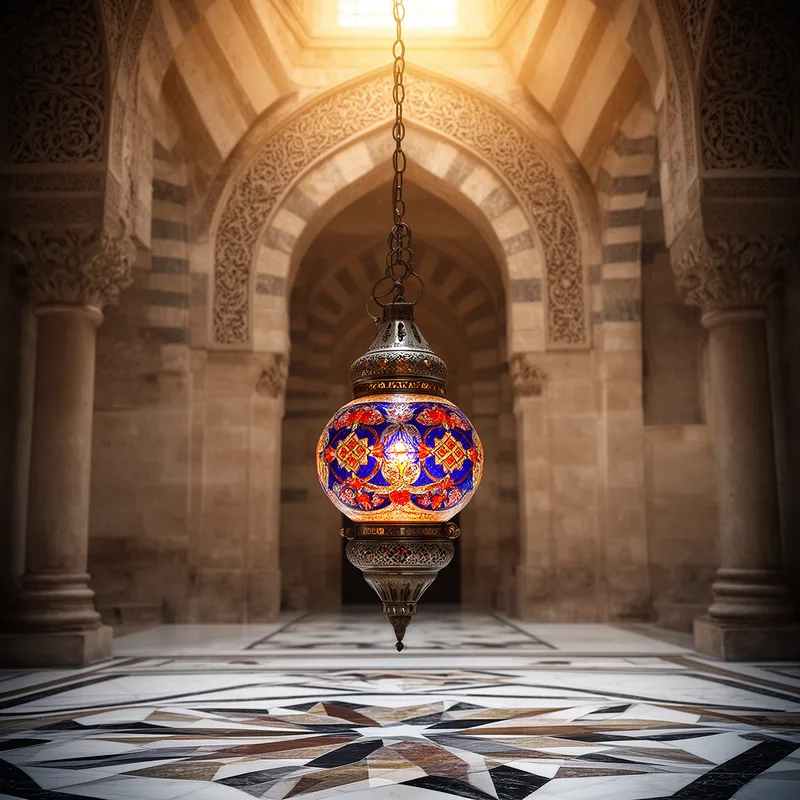
Mamluk
- adjective
- /ˈmæmlʊk/
- Scholars study Mamluk art to understand the cultural influences in medieval Egypt.
Examples
-
The intricate details of the Mamluk architecture can still be seen in many historic buildings across Cairo.
-
In 1517, when Sultan Salim I defeated the Mamluk rulers of Egypt, the country became a province of the Ottoman Empire.
Academic text (1993) -
Like the Mamluk amirs, they built luxurious palaces, surrounded themselves with servants and hangers-on, employed officials, and took enormous interest in their property and wealth.
Academic text (1993) -
In the following centuries, Arab armies, Crusader knights, and Mamluk rulers captured Beirut in succession.
Academic text (2011) -
For centuries, the Mamluk Emirs ruled Egypt under the nominal suzerainty of the Sublime Porte.
Academic text (1996) -
This perhaps raises a historical analogy: The Mamluk sultans (1260-1517) tried to get their non-slave sons to succeed them and sometimes managed it, but they were not from the military slave caste and eventually petered out, to be replaced by a proper Mamluk.
Academic text (2010) -
During the Mamluk period, Egypt became a center of trade and scholarship in the Islamic world.
Surface Forms
Etymology
Mamluk as an adjective comes from the Arabic word mamlūk, which means 'owned' or 'slave'. So when we say 'Mamluk' art or 'Mamluk' architecture, we mean things from the time and style of the Mamluks, the people who once ruled after starting as slave soldiers.

