
Liliidae
9.5
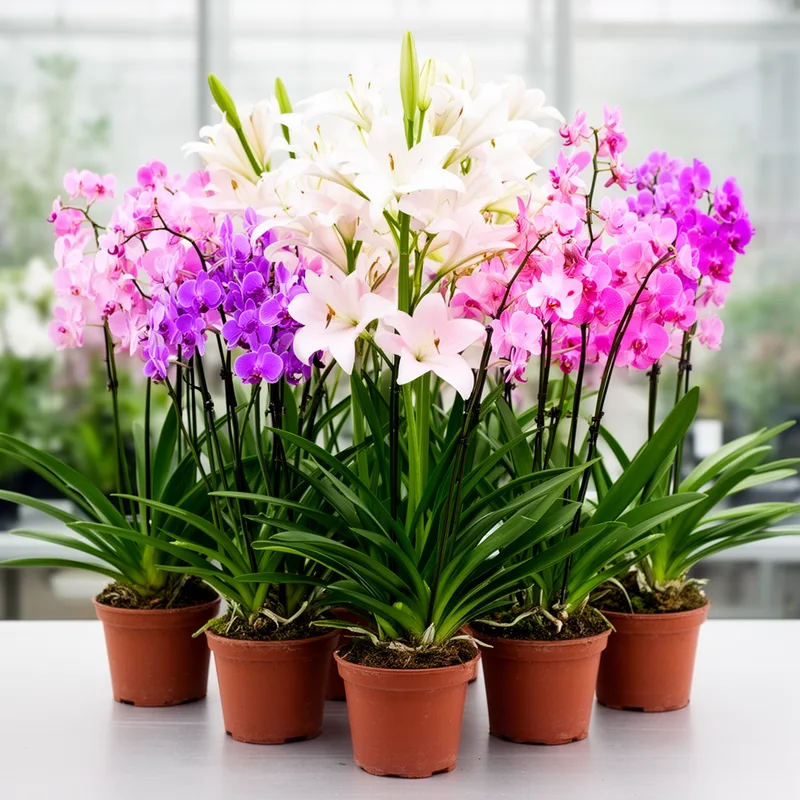
A group of flowering plants that includes lilies and orchids
- noun
- /ˌlɪliˈaɪdiː/
- Specialized
:
Liliidae
- Members of Liliidae are characterized by having flower parts in multiples of three.
Examples
-
The subclass Liliidae includes many familiar plants such as lilies and orchids.
-
Botanical textbooks often discuss Liliidae when outlining the classification of monocots.
-
The Liliidae subclass includes many beautiful flowers.
-
Orchids are a part of the Liliidae family.
-
Botanical textbooks often discuss Liliidae when outlining the classification of monocots.
-
The subclass Liliidae includes many familiar plants such as lilies and orchids.
-
Members of Liliidae are characterized by having flower parts in multiples of three.
How Specific


Surface Forms
Morphology
Etymology
The word Liliidae comes from the Latin lilium, which means 'lily', plus the scientific ending -idae, which means 'group'. So Liliidae is the name for the group of flowering plants that includes lilies, orchids, and their relatives.