

Larix
- noun
- /ˈlærɪks/
- Specialized
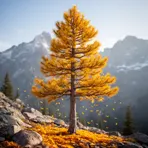
- The needles of Larix trees change color and drop every autumn, unlike most other conifers.
Examples
-
Several species in the Larix genus are valued for their timber and ornamental qualities.
-
Scientists studied the adaptation mechanisms of Larix in cold boreal forests.
-
Look at that stunning Larix tree!
-
The Larix tree is known for its unique needle-like leaves.
-
The needles of Larix trees change color and drop every autumn, unlike most other conifers.
-
Several species in the Larix genus are valued for their timber and ornamental qualities.
-
Look at that stunning Larix tree!
Synonyms

A group of trees called larches that lose their leaves and grow in cold northern regions
Compounds

- Specialized
A tall Siberian tree with narrow soft green needles often used in forests and gardens

- Specialized
A tall European tree that has thin needle leaves that turn gold and fall in winter

- Specialized
A medium-sized northern tree like a small pine that turns golden in autumn
- Specialized
A medium-sized mountain tree that grows in the Rocky Mountains and has needles that turn yellow and fall in autumn

- Specialized
A tall type of tree from western North America valued for its wood
- Specialized
A group of trees called larches that lose their leaves and grow in cold northern regions
Surface Forms
Etymology
Larix comes from the Latin larix, an old word for the 'larch' tree and is the same root as the English word larch. So the scientific name Larix simply labels these trees that turn yellow and lose their needles in autumn.

