
Juncaceae
- noun
- /dʒʌŋˈkeɪ.ʃi.i/
- Specialized
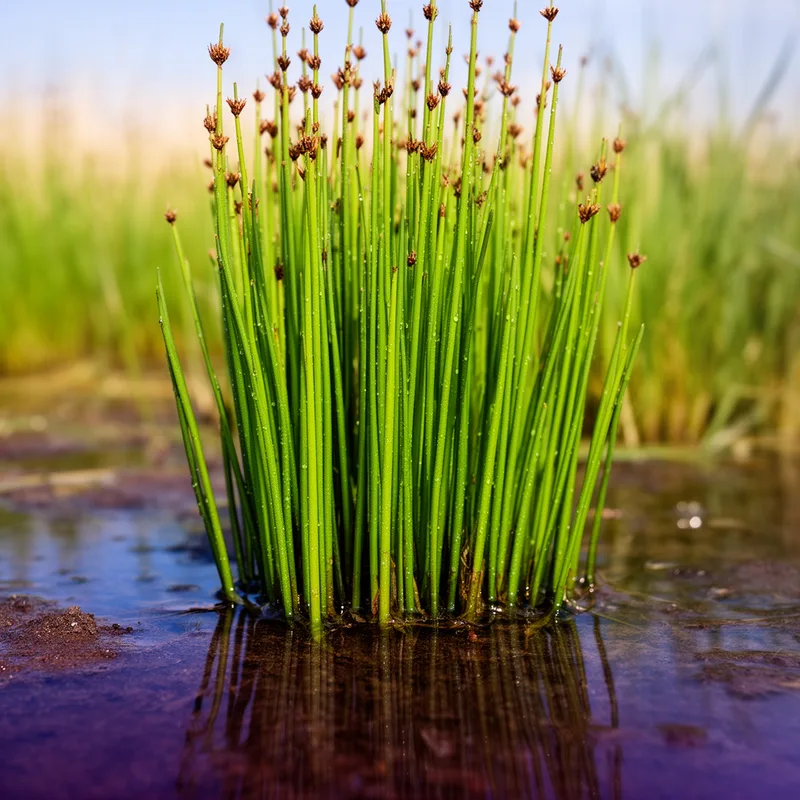
- Unlike sedges or grasses, the Juncaceae have rounded stems and lack obvious leaf blades.
Examples
-
The botanist identified the plant as belonging to the Juncaceae rather than the true grasses.
-
The Juncaceae family includes many species found in wetlands.
-
Members of the Juncaceae family are often found in wetlands and marshy areas.
-
Did you know that Juncaceae are often mistaken for grasses?
-
Members of the Juncaceae family are often found in wetlands and marshy areas.
-
The botanist identified the plant as belonging to the Juncaceae rather than the true grasses.
-
Unlike sedges or grasses, the Juncaceae have rounded stems and lack obvious leaf blades.
Synonyms

A group of grass-like plants that grow in wet places like marshes
A family of grass-like plants with round stems that grow in wet places
Compounds
Surface Forms
Morphology
Juncaceae = Juncus (opaque) = junc + aceae
The form is a Latinized taxonomic formation: the genus stem 'Junc-' plus the botanical family suffix '-aceae', which is not a productive or familiar English derivation for average learners.
Etymology
Juncaceae comes from the Latin juncus, meaning 'rush', and the plant ending -aceae, meaning 'family'. That's why Juncaceae simply means the 'rush family', plants that look like grasses and often grow in wetlands.

