
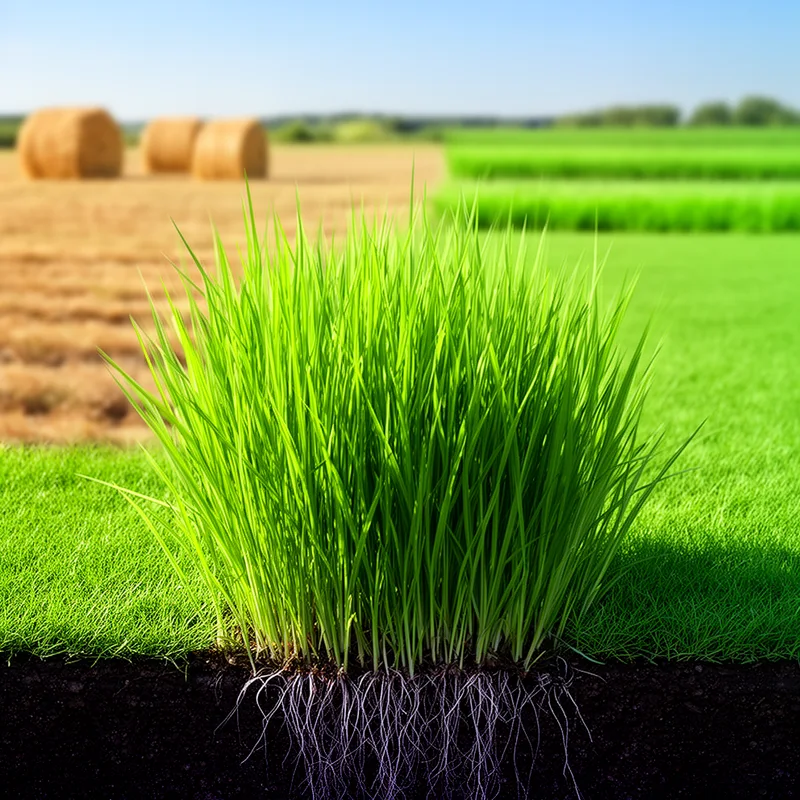
Italian rye
- noun
- /ɪˈtæljən raɪ/
- High-quality hay is frequently made from Italian rye due to its rich nutritional content.
Examples
-
The lush green lawn was seeded with Italian rye for a quick and durable cover.
-
Farmers often plant Italian rye to improve soil fertility between crop cycles.
-
Farmers often plant Italian rye in the fall.
-
The Italian rye in their field is thriving.
-
Farmers often plant Italian rye to improve soil fertility between crop cycles.
-
High-quality hay is frequently made from Italian rye due to its rich nutritional content.
-
The lush green lawn was seeded with Italian rye for a quick and durable cover.
Synonyms


 1
3.4
1
3.4
A grass often grown for lawns or animal feed
 1
4.9
1
4.9
A grass people plant for animals to eat or for lawns
A fast-growing grass from Europe grown for hay, lawns, and to make soil better
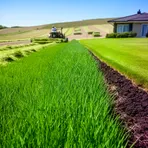
A grass that grows quickly and is used for hay, lawns, and to improve soil
Surface Forms
Morphology
The phrase 'Italian rye' is directly compositional: 'Italian' qualifies the noun 'rye', indicating a variety or origin, so a learner who knows both words can infer it refers to a type of rye associated with Italy. This adjective+noun naming pattern is common and follows regular English morphology, making the meaning transparent to B1 learners.
Etymology
The name Italian rye comes from the fact that Italian shows where the grass came from and rye means the grass. Farmers used it for 'hay' and as a quick 'green cover', so the name helps us remember it is a useful farming and lawn grass today.