
Incan
 7
7.1
7
7.1

- adjective
- /ˈɪŋkən/
 :
inca
:
inca
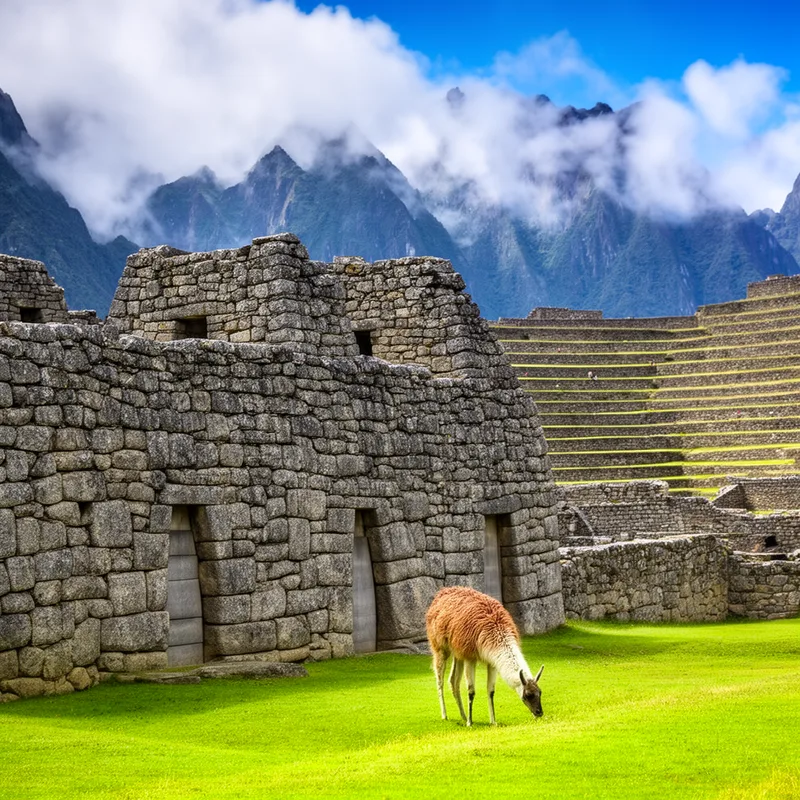
- He visited Machu Picchu, his main reason for the visit, and other Incan ruins.
- Incan Empire
So he has this whole room that has pre Incan artifacts, artifacts from the Incans, and then stuff from the Spanish.
- So he has this whole room that has pre Incan artifacts, artifacts from the Incans, and then stuff from the Spanish.
Examples
-
I walked across Avenida El Sol and sat on a bench in front of Qorikancha, an Incan ruin.
Blog text (6) -
And they had with them gifts and trinkets from all over the Incan Empire.
-
Harry, this has been to a lost Incan city.
-
You should know that the residents of Taquile still hold to the old Incan ways.
Blog text (28) -
On the western side of central South America sits the former Incan Empire country of Bolivia.
Academic text (2010) -
An ancient Incan knot language used for secret messages, hidden in riddles.
-
The old chapel, built in 1580 on an ancient Incan temple, invites one to ponder what ghosts might still linger in the shadows.
Blog text (16) -
Archaeological discoveries here proved that the influences of the Incan Empire stretched at least 3,000 km south to Mendoza from the capital of Cusco in their heyday.
Blog text (27) -
In Peru stretched the vast Incan empire, resplendent in silver and gold.
-
The 26-mile trek culminates in the unveiling of Machu Picchu, the hidden Incan city.
Surface Forms
Morphology
Etymology
Incan comes from Inca, from the Quechua word Inka, which meant 'ruler' like a 'king' in the Andes. So Incan describes things that belong to the Inca people, their culture, or their empire.