
IOP
 1
9.2
1
9.2

- noun
- Specialized
- Important risk factors for POAG include age, race, and elevated IOP.
Examples
-
The measurement of IOP is an important part of the full eye examination.
-
Vision loss results from damage to the optic nerve, which is caused by increased intraocular pressure (IOP) in glaucoma.
Academic text (2018) -
High intraocular pressure, high-risk factors for glaucoma; the higher the IOP, the greater the risk.
Blog text (34) -
It is recognized that high IOP and the size of the anterior chamber are markedly affected in PACG.
Academic text (2018) -
Furthermore, high IOP (60, 61) and the depth of the anterior chamber (56, 57) are associated with genetic factors involved in the pathogenesis of PACG.
Academic text (2018) -
Of those risk factors for glaucoma mentioned, increased IOP is the strongest risk factor in the majority of subtypes of glaucoma (41); however, its pathogenesis remains unclear.
Academic text (2018) -
Patients with eye conditions should have their IOP checked regularly to prevent complications.
-
There is a well-established association between IOP and primary open-angle glaucoma, necessitating careful monitoring.
Synonyms
 1
6.0
1
6.0
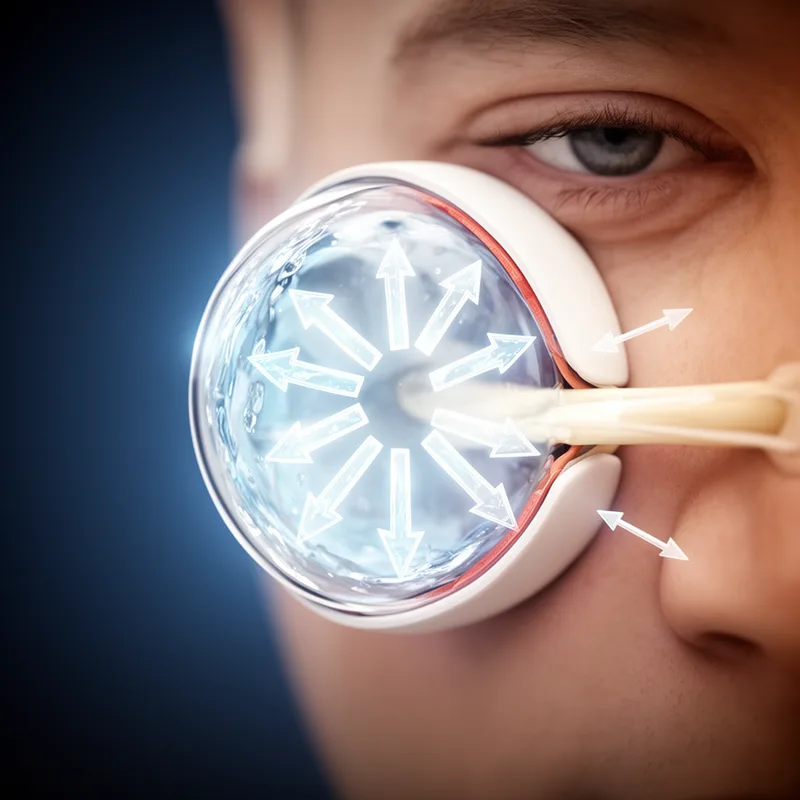
The pressure made by the fluids inside the eye
Surface Forms
Etymology
The word IOP stands for intraocular pressure, where intra- means 'inside' and ocular means 'eye', so it refers to the pressure 'inside the eye' that doctors measure to check for problems.