
Hutterite


 1
9.9
1
9.9
- adjective
- /ˈhʌtəˌraɪt/
- But what kind of "reality" can be expected from producers choosing a dysfunctional colony by which to present what they call "the very first glimpse inside" Hutterite life?
Examples
-
The nearest units that have a purely communist or socialist system are found in religious groups such as convents, monasteries, and Old Order Amish and Hutterite communities.
Blog text (7) -
In studying Hutterite beliefs, one can see how spirituality influences their daily lives and interactions.
-
- The Hutterite religion?
-
The major exception to this general rule is, of course, the Hutterite movement, the secret of whose success is apparently both in the strength of its members' faith and in their ability to preserve their isolation from the society around them.
Academic text (1993) -
In the two National Geographic episodes I watched, there was almost nothing of the deep-rooted spiritual dream alive in the twenty Hutterite colonies I've visited.
Blog text (27) -
Neolithic farming villages averaged 150 people, as did Hutterite settlements, professional armies from the Roman days, as well as modern army units.
Blog text (26) -
Even through the distorting lens of the producers, genuine motifs of the Hutterite faith tradition will gleam.
Blog text (27) -
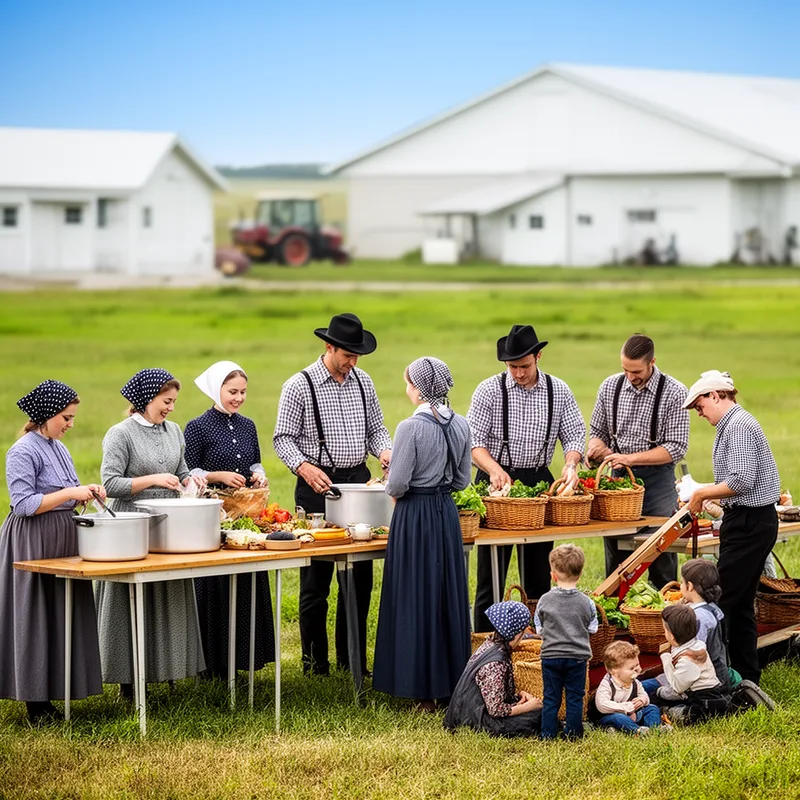
The Hutterite community values collective decision-making and shares resources among its members.
-
Their Hutterite customs include communal meals and a strong emphasis on education within the community.
Surface Forms
Morphology
Hutterite = Hutter (semi-transparent) = Hutter + ite
The word is built from the surname Hutter plus the relational suffix -ite, but the proper-name base is not informative for most learners.
Etymology
Hutterite comes from a leader named Jakob Hutter plus the ending -ite, which means 'follower' or 'member'. So, when something is called Hutterite, it relates to the people, their beliefs, customs, or communal way of life.