

Hibiscus esculentus
- noun
- /hɪˈbɪskəs ˌɛskjʊˈlɛntəs/
- Specialized
- Hibiscus esculentus is widely grown in warm climates for its edible seed pods.
Examples
-
The mucilage from Hibiscus esculentus gives gumbo its characteristic texture.
-
Botanists may refer to okra as Hibiscus esculentus in scientific literature.
-
The Hibiscus esculentus plant thrives in warm climates.
-
Many chefs love using Hibiscus esculentus in their dishes.
-
Hibiscus esculentus is often praised for its role in southern cooking, especially in dishes like gumbo.
-
Farmers cultivate Hibiscus esculentus for its nutritious green pods, which are popular in various cuisines.
-
In many regions, Hibiscus esculentus is harvested during late summer to be used in salads and stews.
Synonyms

 18
4.0
18
4.0

A vegetable with long green pods used in soups and stews
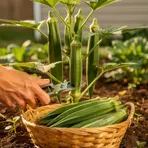 1
5.6
1
5.6
A plant with long green pods that people eat as a vegetable
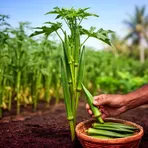
A tall plant that makes green edible pods called okra used in cooking
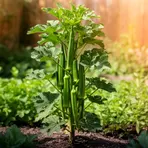
A tall plant in warm climates that makes edible green pods for cooking

A vegetable plant that makes long green pods used in soups and stews, also called okra
Surface Forms
Morphology
Hibiscus + esculentus
This is a Linnaean binomial: 'Hibiscus' clearly marks a plant genus, and 'esculentus' (Latin for 'edible') would signal an edible species. Knowing both constituents lets a learner infer ‘an edible Hibiscus (a plant used for food)’ but not necessarily the common name 'okra' without extra botanical or lexical knowledge, so comprehension is partial.
Etymology
The scientific name Hibiscus esculentus comes from Latin and can be read as 'edible hibiscus': Hibiscus is the same plant group as the garden hibiscus and esculentus means 'edible'. So the name points to the plant we call 'okra', because it is a hibiscus-like plant with green pods people eat.