

Abelmoschus esculentus
- noun
- /ˌeɪbəlˈmɒskəs ˌɛskjʊˈlɛntəs/
- Specialized
- Many chefs recommend using Abelmoschus esculentus to enhance the flavor of soups and stews.
Examples
-
I love cooking with Abelmoschus esculentus in my gumbo.
-
The garden features several rows of Abelmoschus esculentus alongside other tropical vegetables.
-
Abelmoschus esculentus is widely cultivated in warm regions for its nutritious pods.
-
Researchers studied the benefits of Abelmoschus esculentus in controlling blood sugar levels.
-
Have you ever tried Abelmoschus esculentus in a salad?
-
Abelmoschus esculentus is widely cultivated in warm regions for its nutritious pods used in various dishes.
-
In my garden, I grow Abelmoschus esculentus because it adds a lovely texture to my cooking.
Synonyms

 18
4.0
18
4.0

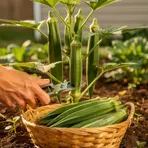
A vegetable with long green pods used in soups and stews
 1
5.6
1
5.6
A plant with long green pods that people eat as a vegetable

A tall plant grown for its edible green pods called okra
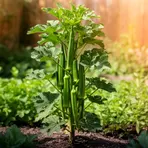
A tall plant in warm climates that makes edible green pods for cooking

A vegetable plant that makes long green pods used in soups and stews, also called okra
Surface Forms
Morphology
Abelmoschus + esculentus
The name is a standard Linnaean binomial: Abelmoschus (a plant genus) + esculentus (Latin for 'edible'), so a learner who knows both constituents can infer 'the edible species of Abelmoschus' — i.e., okra. This follows a compositional, cross-linguistically regular pattern of scientific names, making the meaning derivable from the parts.
Etymology
Abelmoschus esculentus may come from two parts: Abelmoschus from an old Arabic word meaning 'father of musk' because the seeds can smell a little like musk, and esculentus, a Latin word meaning 'edible'. So the name literally points to the edible okra plant, which helps you remember it refers to the okra we eat.