
Heliobacter


 1
9.3
- noun
- /ˈhɛliəˌbæktər/
- Specialized
- Researchers found that Heliobacter colonizes the stomach lining in many primates.
Examples
-
A biopsy revealed the presence of Heliobacter in the patient's gastric tissue.
-
The Heliobacter species thrive in acidic environments.
-
The discovery of Heliobacter in the stomach paved the way for new treatments of ulcers.
-
Many studies focus on Heliobacter in relation to stomach ulcers.
-
A biopsy revealed the presence of Heliobacter in the patient's gastric tissue.
-
Researchers found that Heliobacter colonizes the stomach lining in many primates.
-
The discovery of Heliobacter in the stomach paved the way for new treatments of ulcers.
Synonyms
 1
8.1
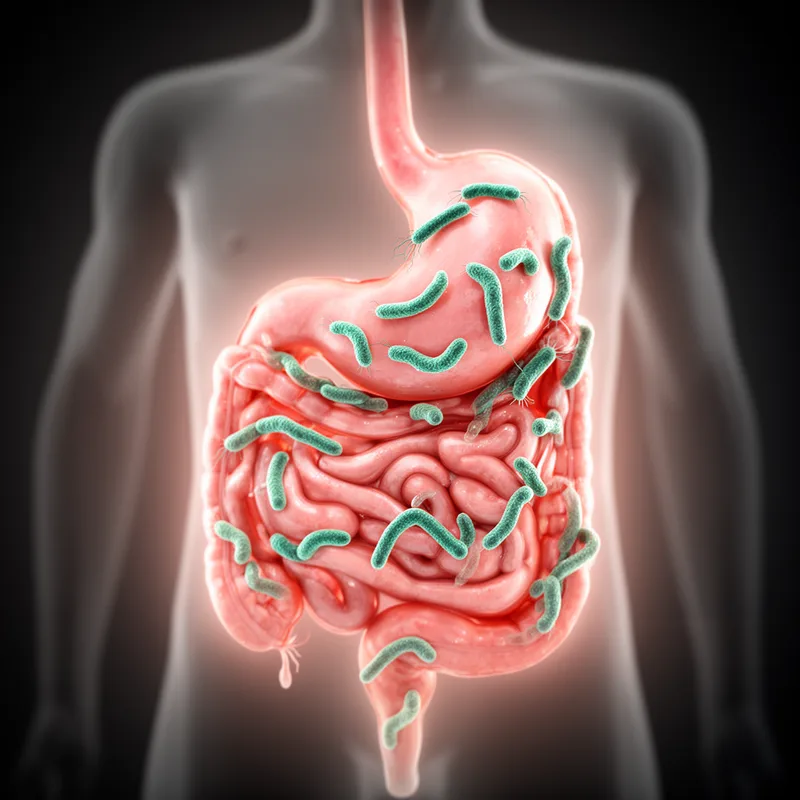
A type of bacteria that infects the stomach and can cause inflammation or ulcers
Surface Forms
Morphology
Heliobacter = bacterium (opaque) = helio + bacter
Formed from classical/scientific combining forms ('helio-' + root related to 'bacterium'); these are technical morphemes and not readily interpretable by an average B1 learner.
Etymology
Heliobacter uses parts that make a good memory hook: the start helio- can be thought of like helix meaning 'spiral', and the end -bacter means 'bacterium', as in bacteria. So Heliobacter is a spiral or curved bacterium often found in the stomach lining.