

Geothlypis trichas
- noun
- /ˌɡiːoʊˈθlɪpɪs ˈtrɪkəs/
- Specialized
- The distinctive song of the Geothlypis trichas is often heard in marshy habitats.
Examples
-
Researchers studied the migration patterns of Geothlypis trichas over several years.
-
Birdwatchers were delighted to spot a Geothlypis trichas in the wetland area yesterday.
-
Look! A Geothlypis trichas!
-
I spotted a Geothlypis trichas in the bushes.
-
Birdwatchers were delighted to spot a Geothlypis trichas in the wetland area yesterday.
-
Researchers studied the migration patterns of Geothlypis trichas over several years.
-
The distinctive song of the Geothlypis trichas is often heard in marshy habitats.
Synonyms
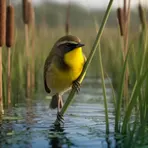
A small bird with a bright yellow throat found in wet places like marshes

A small North American bird whose male has a black face mask and a bright yellow throat
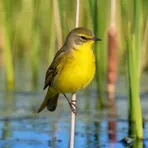
A small bird found in North America with an olive back and yellow chest and throat
Surface Forms
Morphology
Geothlypis + trichas
This is a Latin binomial used as a taxonomic label; even if a learner knows that Geothlypis is a group of warblers, the species epithet 'trichas' is not semantically interpretable and the full name functions as an arbitrary scientific label rather than a compositional phrase. Taxonomic names are conventional and language-independent, so a B1 learner would not be able to derive the common-name meaning from the parts.
Etymology
Geothlypis trichas may come from Greek parts like geo- meaning 'earth' plus a word for a small bird, so the name paints a picture of a little bird that lives low in the ground and marsh plants. That's why the name fits the small American songbird commonly called the common yellowthroat.

