

French polish shellac
- noun
- /frɛntʃ ˈpɒlɪʃ ʃəˈlæk/
- Specialized
- The cabinetmaker applied several coats of French polish shellac to achieve a perfect glossy finish.
Examples
-
Restorers often choose French polish shellac when working on antique furniture for an authentic look.
-
You should always use French polish shellac in a well-ventilated area because of the alcohol fumes.
-
He applied a coat of French polish shellac to the table.
-
The woodworker prefers using French polish shellac for its gloss.
-
Restorers often choose French polish shellac when working on antique furniture for an authentic look.
-
The cabinetmaker applied several coats of French polish shellac to achieve a perfect glossy finish.
-
You should always use French polish shellac in a well-ventilated area because of the alcohol fumes.
Synonyms
 4
7.4
4
7.4

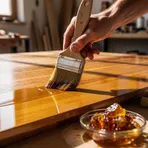
A natural hard substance used to make a shiny protective coat on wood or furniture
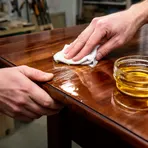
A very shiny finish you make on wood by rubbing on thin coats of shellac mixed with alcohol
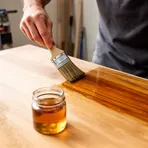
A thin clear or colored coating made from shellac and alcohol to protect and shine wood
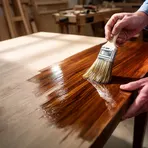
A shiny layer of shellac applied to wood to protect it
How Glossy

Surface Forms
Morphology
The headword names a type of polish made from shellac: 'polish' (a substance for shining surfaces) combined with 'shellac' (a resin varnish) directly signals a varnish, while 'French' simply specifies the traditional style or technique. This is a straightforward compositional noun–noun construction that a B1 learner who knows the constituent words can readily interpret.
Etymology
French polish shellac comes from a traditional French method called French polish and from shellac, a natural sticky material made by tiny insects. Craftsmen put on thin coats of shellac and rubbed them until the wood shone, so the phrase now means the varnish used to give furniture a 'shiny finish'.