

Esther
 19
5.6
19
5.6

- proper noun
- /ˈɛstər/
- In the book of Esther, she bravely approached the king to save her people.
- Book of Esther
Loading YouTube…
Watch on YouTubeThe writings are books like Psalms, Proverbs, Job, the Megillot, which are Esther, Daniel, all of those, all of those books, Ecclesiastes.
- The writings are books like Psalms, Proverbs, Job, the Megillot, which are Esther, Daniel, all of those, all of those books, Ecclesiastes.
Examples
-
In 1593, these explicitly Marian works were complemented by two paintings by Cavagna representing Esther before Ahasuerus and Judith and Holofernes.
Academic text (2000) -
Many lessons can be learned from Esther, especially about courage and loyalty.
-
PHOTO (BLACK & WHITE): A festive occasion, Purim commemorates the Old Testament story of Queen Esther, who foiled a plot to massacre the Jews.
Academic text (1996) -
Similarly, Lois L. Huneycutt has studied how the biblical story of Esther was used to empower medieval Christian queens in their ambiguous position as intercessors with the king.
Academic text (2002) -
The story of Esther is celebrated during the Jewish festival of Purim.
Synonyms
 1
6.4
1
6.4
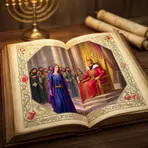
An Old Testament book about Esther, a Jewish woman who saves her people in Persia
Compounds
1
6.4
An Old Testament book about Esther, a Jewish woman who saves her people in Persia
- Literature
A short book with extra parts added to the story of Esther in some Bibles

A one-day event when many Jews do not eat or drink before Purim to remember Esther
Surface Forms
Etymology
Esther may come from the Persian goddess Ishtar, a name linked to the idea of a 'star', or from the Hebrew word hester meaning 'hidden'. That fits the Book of Esther, because the story is about a woman who hides her identity and then saves her people, so the name brings to mind both being 'hidden' and shining like a 'star'.