
El Niño
 16
4.2
16
4.2

- noun
- /ɛl ˈniːnjoʊ/
- Specialized
- Especially intense episodes of El Niño activity occurred between 1812 and 1832 and between 1864 and 1891.
- El Niño event
- El Niño conditions
- El Niño effect
Examples
-
At Tijuana Estuary, the mouth closed in April 1984 after the 1983 El Niño storm filled the tidal channels.
Academic text (2001) -
The precipitous decline in SSB in 1997-98 was likely a result of pronounced El Niño conditions.
Academic text (2000) -
El Niño may be paying us an early visit.
-
According to NOAA's Climate Prediction Center, El Niño conditions will likely emerge during September 2012.
Blog text (24) -
The season closures differed in 1998 because of the shift in distribution associated with El Niño.
Academic text (2000) -
The best-documented and most important oceanic influence on the atmosphere is El Niño.
Academic text (2002) -
Forecasters originally predicted a weak to moderate El Niño for this winter, which would mean more precipitation.
Blog text (15) -
Strong La Niña and El Niño years were compared to assess the influence of interannual climatic variability.
Academic text (2012) -
Vigorous extratropical cyclones follow a strengthened subtropical jet stream into Southern California during some El Niño years.
Academic text (1994) -
Meteorologists predict that the warm ocean current known as El Niño will impact global weather patterns this winter.
Synonyms


 1
6.6
1
6.6
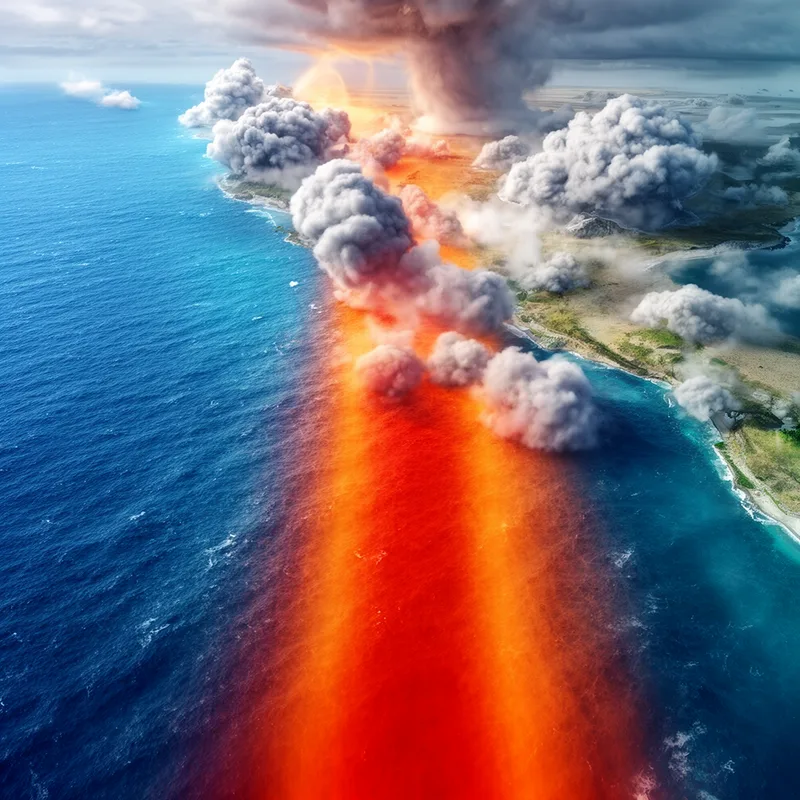
A repeated change in the temperature of surface water in the Pacific Ocean near the equator that affects weather worldwide
Surface Forms
Morphology
El + Niño
Although 'El' and 'Niño' literally mean 'the' and 'boy' in Spanish, the term 'El Niño' is a proper name for a specific meteorological phenomenon (a warm ocean current and related weather effects) and this specialized meaning cannot be derived from the literal constituents. Because it is a loaned/proper term with a language-specific, technical sense, a B1 learner who knows the literal words would not predict the climatic meaning.
Etymology
El Niño comes from Spanish and means 'the boy' or 'the Christ child'. Fishermen on the coast noticed a warm patch of sea that often appeared around Christmas, so they started calling that warm event El Niño. That's why today El Niño refers to a periodic warm ocean current that can change weather patterns.