

Echinacea purpurea
- noun
- /ˌɛkɪˈneɪʃə pərˈpjʊəriə/
- Specialized
- The herbal tea was made from dried Echinacea purpurea petals and leaves.
Examples
-
I planted Echinacea purpurea in my garden this spring.
-
Many gardeners plant Echinacea purpurea to attract butterflies and bees to their gardens.
-
She admired the vibrant purple blooms of Echinacea purpurea in the summer sunlight.
-
The Echinacea purpureas bloom beautifully in the summer.
-
The garden was vibrant with blooming Echinacea purpurea, showcasing its striking purple petals.
-
Many herbalists use Echinacea purpurea for its reputed immune-boosting properties.
-
In the summertime, Echinacea purpurea attracts butterflies to my garden with its colorful flowers.
Synonyms
 7
8.2
7
8.2

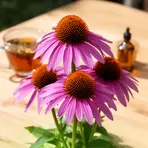
A tall garden herb with purple cone-shaped flowers often used to help the immune system
 1
7.1
1
7.1
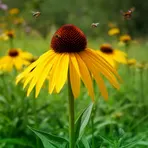
A North American wildflower with a cone-shaped center and long petals around it
Surface Forms
Morphology
Echinacea + purpurea
This is a scientific binomial combining the genus name 'Echinacea' with the species epithet 'purpurea' (literally ‘purple’), so the phrase straightforwardly means the purple variety of the Echinacea plant — a medicinal coneflower. The composition follows standard biological naming conventions (genus + descriptive epithet), so a learner who knows both constituents can readily infer the MWE's meaning.
Etymology
Echinacea purpurea gets its name from how it looks: Echinacea comes from an old word for 'hedgehog' because the plant's cone is spiky like a hedgehog, and purpurea means 'purple', which describes its bright petals. That's why the name describes the purple coneflower you see in gardens.