
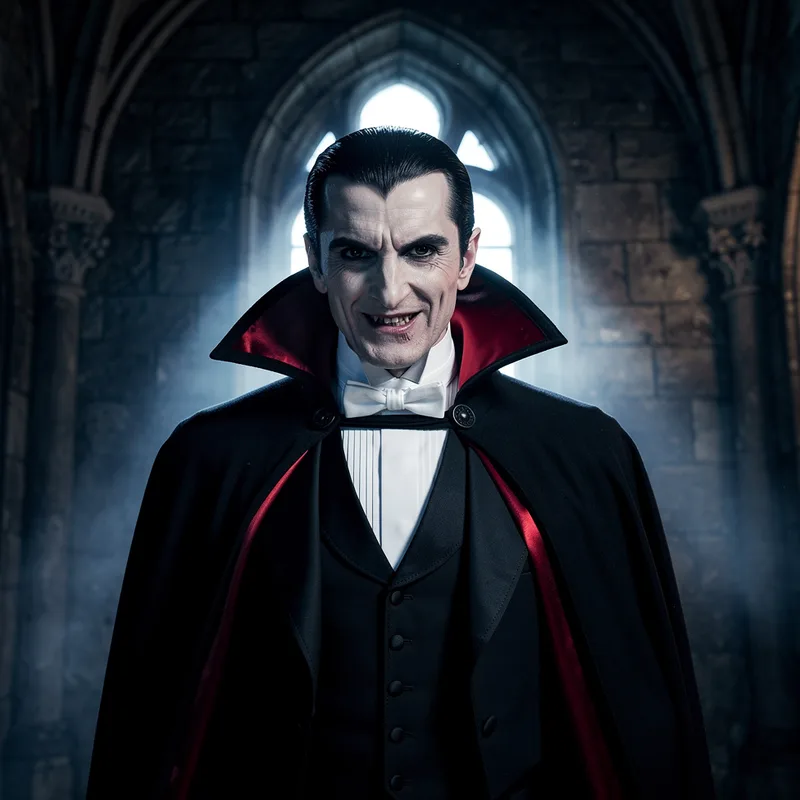
Dracula
 62
6.8
62
6.8

- proper noun
- /ˈdrækjʊlə/
- Literature
- Brad and Tommy meet classmates: Dracula and a fairy princess.
- Count Dracula
- Bram Stoker's Dracula
- Dracula's castle
Loading YouTube…
Watch on YouTubeYou know, you find exposition like this in Dracula and Bram Stoker.
- You know, you find exposition like this in Dracula and Bram Stoker.
- Quite a few people think that Irving is the inspiration for Dracula in some respect.
- The guy comes up and he is, in fact, Dracula.
- If mosquitoes bit the screen, would Dracula get a taste of his own blood sucking medicine itch and repent?
- Like if you found Bigfoot or Dracula or Wolverine.
- So from Dracula to Saint Germain begins.
- So Dracula, all these people, Dracula was like, he was a king in Pennsylvania.
Examples
-
In the novel, the chief antagonist of Count Dracula is a scientist, Professor Van Helsing.
Academic text (1993) -
This is officially Dracula's castle in Transylvania.
-
See, that... that is why Dracula and I work so well together.
-
Maybe you should work on the Dracula musical.
-
What does Dracula do every night at midnight?
-
I knew we should have watched Dracula.
-
You should run classic horror movies, like Frankenstein or Dracula.
-
Who needed to go watch Dracula when there were real monsters roaming the countryside day and night?
Fiction book (1995) -
ABC News reports that young people using are using nail glue to affix Dracula fangs onto their teeth.
-
In Bram Stoker's novel, Dracula is portrayed as a seductive and terrifying vampire.
Synonyms
A fictional nobleman who is a vampire and the villain in Bram Stoker's novel
Surface Forms
Etymology
Dracula as the vampire's name comes from a real Romanian name: Dracul comes from Latin draco 'dragon' and later was linked with 'devil', and Dracula meant 'son of Dracul'. Bram Stoker used that name for his vampire, so the name makes the character feel dark and dangerous and helps you remember him as a fearful figure.