

Doomsday Book
- noun
- /ˈduːmzdeɪ bʊk/
- The Doomsday Book gives detailed information about the estates and people of England after the Norman Conquest.
Examples
-
The historian referred to the Doomsday Book to understand land ownership in medieval England.
-
Many scholars study the Doomsday Book for insights into 11th-century resource management.
-
So they're as important as the Doomsday Book and Churchill's archive in RI in UK archive terms.
Synonyms
 1
9.9
1
9.9

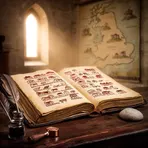
A book from 1086 listing land and property in England
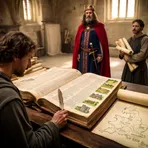
An official list of land and property in England made in 1086 by William the Conqueror
Surface Forms
Morphology
A B1 learner who knows 'doomsday' (the last day) and 'book' would naturally infer 'a book about the end of the world,' which is not the historical meaning. The term refers to a specific 11th-century survey record (historically spelled 'Domesday'), so the actual meaning is not derivable from the constituent words and is therefore idiomatic and unpredictable to learners.
Etymology
Doomsday Book may get its name from a strong image: people compared the big survey to the 'Day of Judgment'. The book listed every landowner and resource in one final record, so it felt like a last, official account and people called it 'Doomsday'.