

Cydippida
- noun
- Specialized
- The Cydippida are easily recognized by their two slender, retractile tentacles.
Examples
-
Unlike other ctenophores, Cydippida use their tentacles to capture prey.
-
Researchers study the Cydippida to understand their unique biology.
-
Scientists observed several species of Cydippida during their deep-sea expedition.
-
The Cydippida are fascinating creatures of the ocean.
-
Scientists observed several species of Cydippida during their deep-sea expedition.
-
The Cydippida are easily recognized by their two slender, retractile tentacles.
-
Researchers study the Cydippida to understand their unique biology.
Synonyms
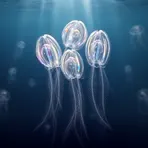
A group of comb jellies with two long feather-like tentacles
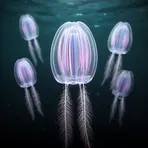
A group of sea animals called comb jellies that have two long feather-like tentacles
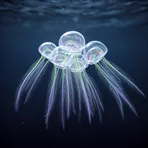
A group of comb jellies with two long feather-like tentacles

A group of comb jellies with round clear bodies and two long, branched tentacles used to catch food
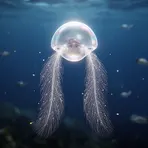
A small sea animal like a jellyfish with two long, feathery tentacles
Compounds
Surface Forms
Etymology
Cydippida comes from the group name Cydippus, which itself comes from an old Greek name. A helpful way to remember it is to picture their two long, branching tentacles like 'two ribbons' that reach out to catch food, which is exactly what makes this group special.

