

Cydippea
- noun
- Specialized
- The Cydippea are easily recognized by their two long, feathery tentacles.
Examples
-
Unlike other comb jellies, Cydippea species use their tentacles to capture plankton.
-
The Cydippea is often found in warm ocean waters.
-
Many marine biologists study the feeding habits of Cydippea in their natural habitat.
-
Many Cydippeas can be seen during the summer months.
-
Marine researchers often conduct experiments on Cydippea to understand their unique feeding mechanisms.
-
With their distinctive long, feather-like tentacles, Cydippea are a fascinating subject for oceanographers.
-
In the warm waters of the Mediterranean, you can observe Cydippea gracefully floating through the currents.
Synonyms
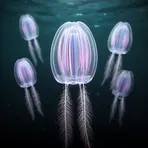
A group of sea animals called comb jellies that have two long feather-like tentacles
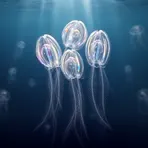
A group of comb jellies with two long feather-like tentacles
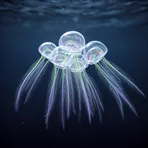
A group of comb jellies with two long feather-like tentacles

A group of comb jellies with round clear bodies and two long, branched tentacles used to catch food
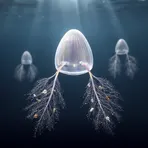
Sea animals that look like jellyfish and have two long branched tentacles to catch food
Compounds
- Specialized
A group of sea animals called comb jellies that have two long feather-like tentacles
Surface Forms
Etymology
Cydippea comes from the ancient Greek name Cydippe, a 'woman's name' from myth. A helpful way to remember it is to picture the jelly's two long, feathery tentacles as the woman's long hair, so Cydippea is the name scientists give to comb jellies with two long, feather-like tentacles.

